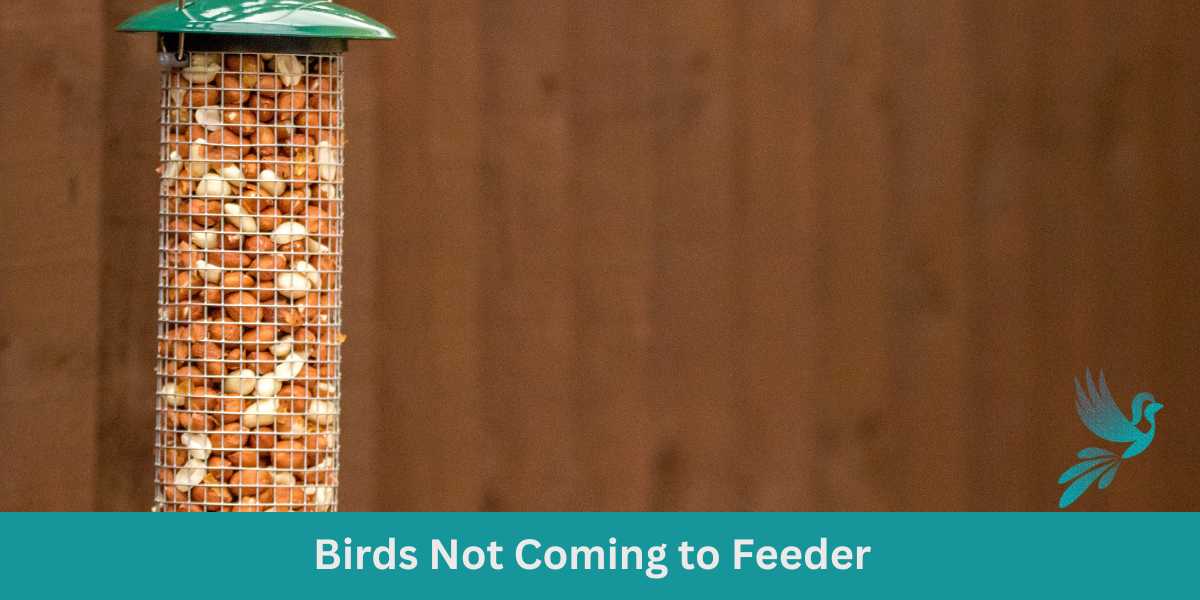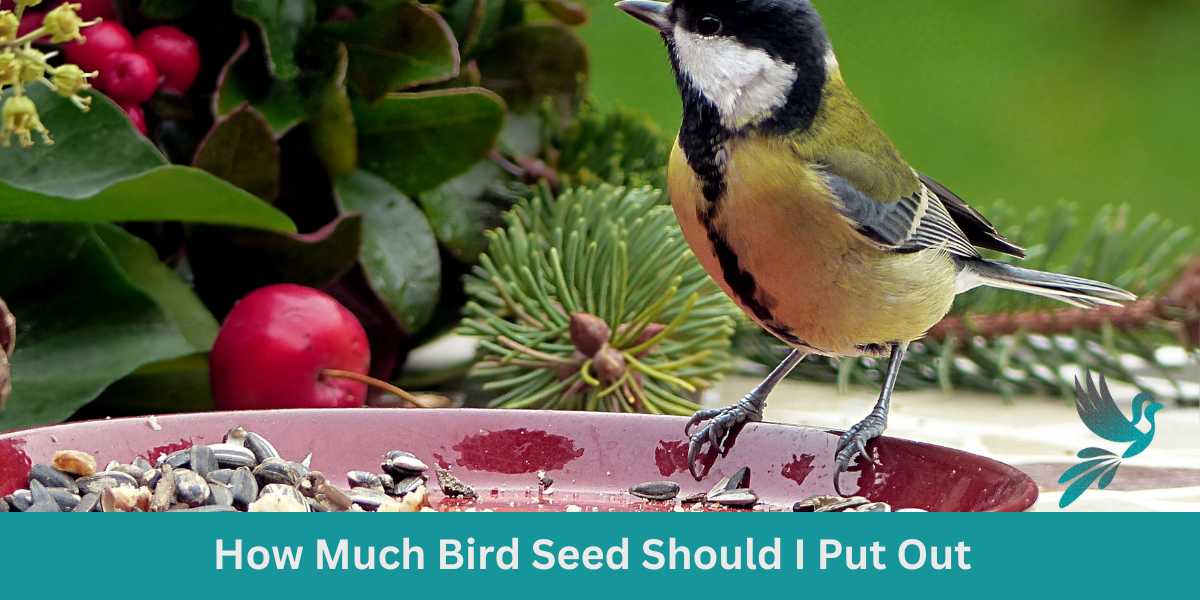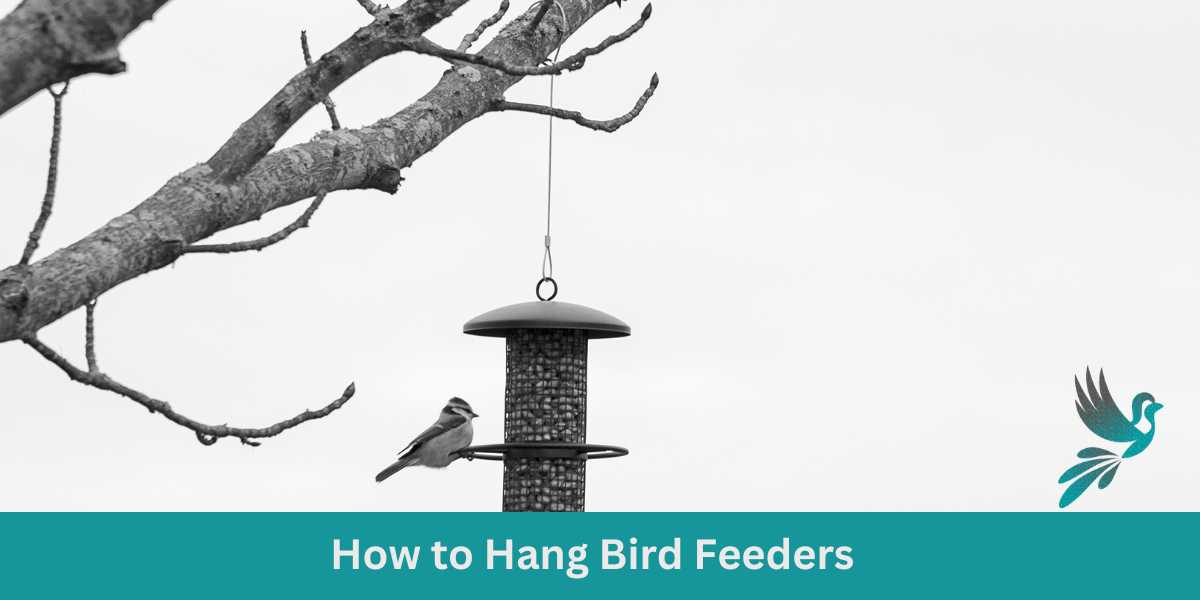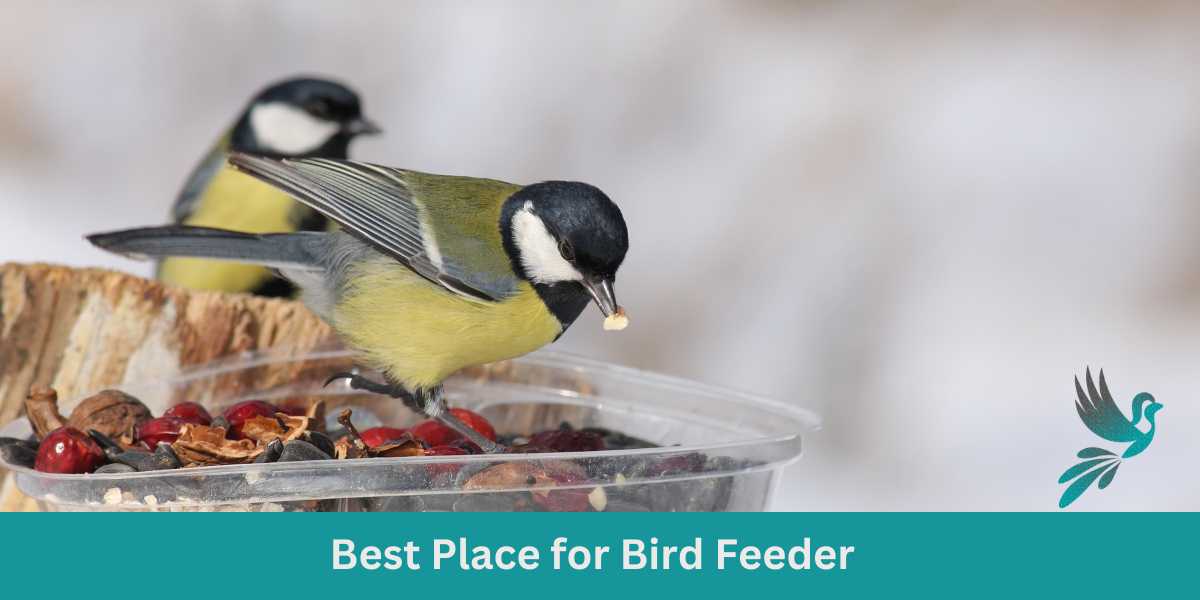
A bird feeder in the wrong spot will sit empty for months. Move it two metres and suddenly it is the busiest restaurant in the neighbourhood. Placement matters more than the feeder itself, more than the seed mix, more than anything else.
The Rules
There are really only four things to get right:
- 2-3 metres from the house - Close enough to watch from a window. Far enough that seed debris and droppings are not a problem.
- 3+ metres from dense cover - Cats hide in bushes. Birds need a clear sightline to spot predators approaching. A few thin branches nearby for quick escape are fine - thick shrubs directly below the feeder are not.
- Either within 1 metre of windows OR 3+ metres away - This is the critical one. Feeders between 1 and 3 metres from glass cause the most fatal window strikes. Birds startled from the feeder hit the glass at full speed. Within 1 metre, they cannot build enough momentum to hurt themselves. Beyond 3 metres, they have time to see and avoid the glass.
- 1.5 metres off the ground minimum - Too low and ground predators can reach it. Too high and you cannot refill or clean it easily.

Sun or Shade?
Both have trade-offs:
| Factor | Sun | Shade |
|---|---|---|
| Seed freshness | Dries faster, less mould | Stays fresher in summer heat |
| Nectar/suet | Spoils quickly in heat | Lasts longer |
| Bird comfort | Too hot on summer afternoons | Preferred on hot days |
| Snow/ice | Melts off feeder naturally | Accumulates |
| Best for | Winter feeders, seed feeders | Summer feeders, suet, hummingbird nectar |
The ideal spot gets morning sun and afternoon shade. East-facing locations tend to work best in most gardens.
Feeder Types and Where They Work Best
Different feeders suit different spots:
- Platform feeders - Open areas with good visibility. Cardinals, jays, and doves prefer these. Keep them where you can sweep up fallen seed.
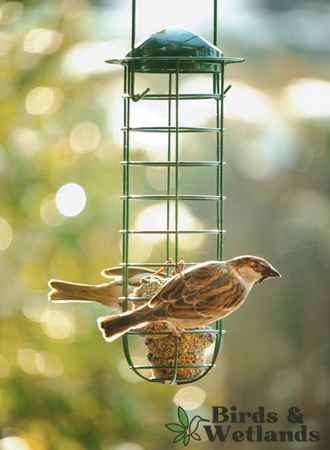
- Tube feeders - Sheltered from wind. Finches and chickadees will use these in exposed spots, but seed blows out in gusty locations.
- Suet feeders - Shaded spots, especially in summer. Suet melts and goes rancid in direct sun. Woodpeckers and nuthatches will find it anywhere.
- Hummingbird feeders - Partial shade is essential. Sugar water ferments rapidly in full sun. Place near flowers for the best results.
- Ground feeders - Open areas away from any cover a cat could hide in. Scatter seed on a tray rather than directly on the ground to reduce disease.
Common Mistakes
- Hanging from a thin branch over nothing - The feeder swings wildly in wind. Birds will avoid it.
- Right next to a busy path or door - Human traffic scares birds away. They need a quiet zone.
- Only one feeder - Dominant birds monopolise single feeders. Two or three feeders in different spots attract more species and reduce aggression.
- Forgetting about squirrels - Use a baffle or squirrel-proof feeder. Squirrels will empty a standard feeder in hours.
- Never cleaning it - Dirty feeders spread disease. Clean with a dilute bleach solution every two weeks, or more often in wet weather.
Note: Once you start feeding, be consistent. Birds learn your schedule and depend on it, especially in winter. If you stop suddenly mid-winter, birds that relied on your feeder need time to find alternative food sources.
Quick Placement Checklist
- Distance from house: 2-3 metres
- Distance from windows: Under 1m or over 3m
- Height: 1.5m minimum
- Cover nearby: Thin branches within 3m for escape, no dense bushes directly below
- Predator access: Use a baffle on poles, keep away from fences cats can climb
- Visibility: Somewhere you can actually see and enjoy from inside