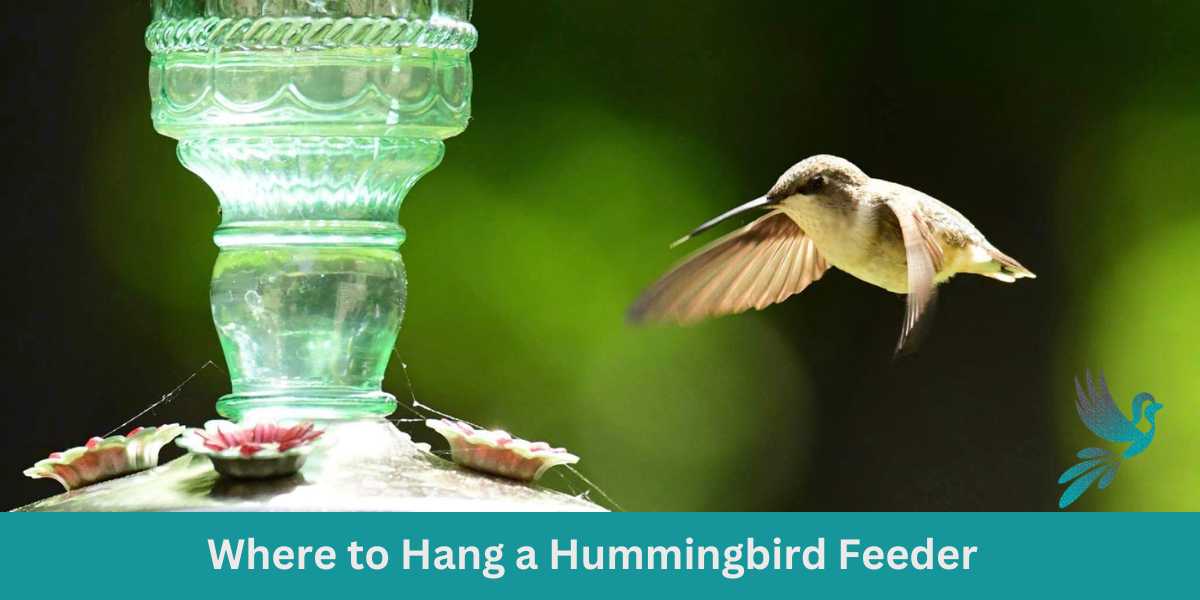
The best spot for a hummingbird feeder is near some kind of cover - a tree branch, porch, awning, or gazebo. This keeps the nectar fresh by blocking direct sun and gives hummingbirds a safe perch nearby.
Ideal Placement
| Factor | Best practice |
|---|
| Shade | Partial shade or dappled light - direct sun spoils nectar fast |
| Near cover | Within 10-12 feet of a tree or shrub for perching and escape |
| Visibility | Hang where hummingbirds can spot it from a distance |
| Height | High enough to be safe from cats and ground predators |
| Access | Easy for you to reach for cleaning and refilling |
| Near windows | Close to windows is actually good - reduces collision speed |
| Bear areas | Hang high enough that bears cannot reach |
Multiple Feeders
| Question | Answer |
|---|
| How many? | At least 2 - prevents one bird from bullying all others |
| Spacing | 10+ feet apart so dominant birds cannot guard both |
| Benefit | More feeders = more hummingbirds in your garden |
Sun vs Shade
| Placement | Effect on nectar |
|---|
| Full sun | Nectar ferments and spoils within 1-2 days |
| Partial shade | Best option - nectar stays fresh longer |
| Full shade | Nectar lasts longest but harder for hummingbirds to find |
When to Hang Feeders
| Region | When to start |
|---|
| Southern US | February - migration starts early |
| Central US | March-April |
| Northern US | April-May |
| Canada | Late May |
| Key rule | Hang feeders 2 weeks before expected arrival based on previous years |
How Long Until Hummingbirds Find It
| Timeline | What to expect |
|---|
| Days 1-3 | Scout hummingbirds may investigate |
| Week 1-2 | Regular visitors start appearing |
| Weeks 2-4 | Word spreads, more birds arrive |
| Key factor | Patience - some feeders take weeks to be discovered |
Feeder Tips
| Tip | Why |
|---|
| Start small | Add larger feeders as visitor numbers grow |
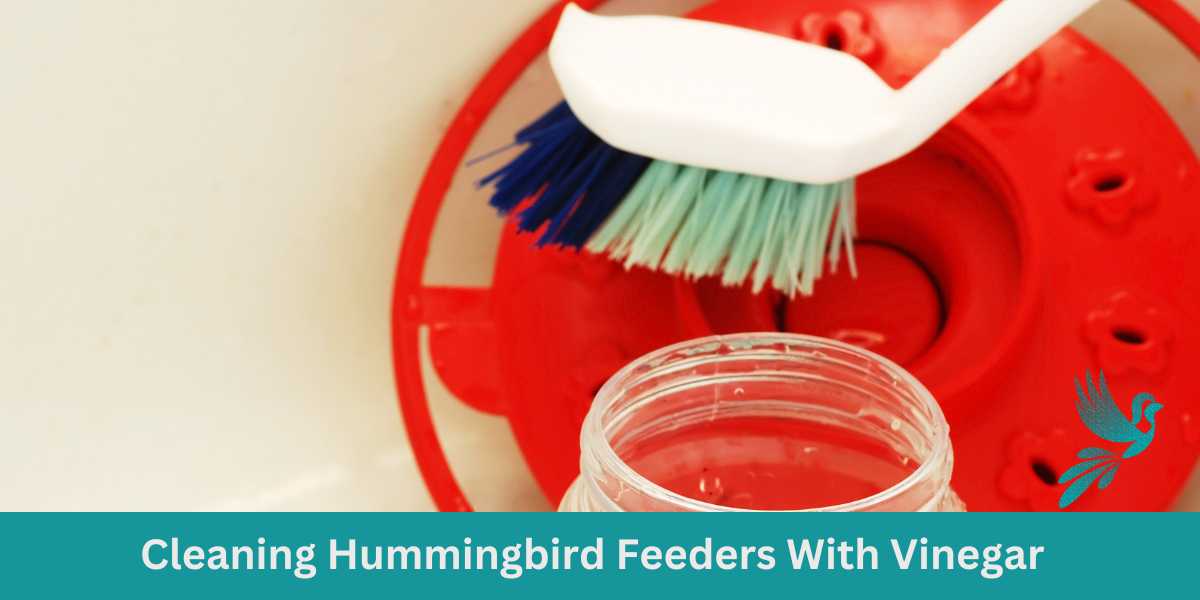
| Easy to clean | Choose feeders that come apart completely |
| Red feeder | Red colour attracts hummingbirds - no need for red dye in nectar |
| Saucer style | Less likely to drip and attract ants |
| Ant moat | Water barrier stops ants from reaching nectar |
| Window feeder | Suction cup feeders provide close-up views |
| Birdbath nearby | Water attracts more hummingbirds |
| Plant red flowers | Bee balm, salvia, trumpet vine supplement feeders |
Hummingbirds discover new food sources within days and return to reliable feeders year after year. The key is consistency - keep feeders clean, nectar fresh, and the location stable. A shaded spot near flowering plants with a perching branch nearby is the ideal hummingbird feeder location.