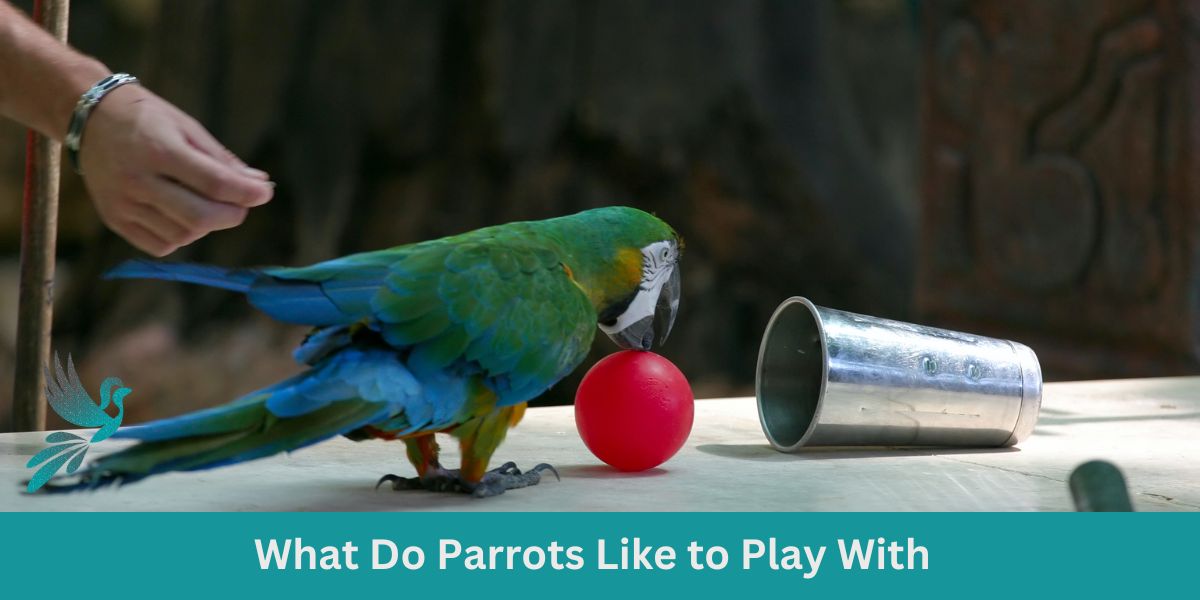
Parrots are intelligent, active birds that need daily play to stay mentally healthy. Without stimulation, they develop problem behaviours like feather plucking, screaming, and biting. The right toys make all the difference.
Toy Types and Benefits
| Toy type | What it does | Examples |
|---|
| Foraging toys | Mimics wild food searching, top mental stimulation | Puzzle feeders, snack balls, food skewers |
| Chew toys | Satisfies beak instinct, trims beak naturally | Wooden blocks, leather strips, rope knots |
| Shredding toys | Destruction is enrichment for parrots | Paper, cardboard, palm leaves, balsa wood |
| Climbing toys | Exercise and spatial exploration | Rope ladders, cargo nets, swings |
| Sound toys | Engages hearing, rewards interaction | Bells, rattles, small xylophones |
| Puzzle toys | Challenges problem-solving ability | Sliding locks, hidden compartments, stacking rings |
| Mirrors | Social stimulation for single birds | Bird-safe acrylic mirrors |
Best Toys by Species
| Species | Favourite toys | Why |
|---|
| African Grey | Puzzles, foraging toys, wooden blocks | Highly intelligent, needs mental challenge |
| Macaw | Large shredding toys, thick rope, swings | Powerful beak, needs heavy-duty options |
| Cockatiel | Bells, balls, chew toys | Social, enjoys interactive play |
| Budgie | Mirrors, swings, colourful beads | Small and active, loves climbing |
| Conure | Bells, ladders, foot toys | Playful, manipulates toys with feet |
| Cockatoo | Destruction toys, foraging boxes | Extremely high enrichment needs |
Games Parrots Enjoy
| Game | How to play |
|---|
| Fetch | Roll a small ball, parrot retrieves it |
| Hide and seek | Hide a treat, let parrot find it |
| Peek-a-boo | Cover face, reveal with “peek-a-boo” - many parrots learn to copy |
| Bowling | Set up small plastic pins, parrot knocks them down |
| Dancing | Play music, parrot bobs and moves to the beat |
| Trick training | Wave, spin, play dead - builds bond and mental stimulation |
Keeping Parrots Stimulated
| Strategy | Details |
|---|
| Rotate toys weekly | Prevents boredom, makes old toys feel new |
| Mix toy types | Offer foraging, chewing, and climbing options simultaneously |
| Introduce slowly | New toys can scare parrots - place nearby before putting in cage |
| Offer 3-5 toys | Too many overwhelms, too few bores |
| DIY options | Paper cups with treats, cardboard boxes, toilet rolls stuffed with paper |
| Out-of-cage time | Daily supervised play outside the cage is essential |
A bored parrot is a destructive parrot. In the wild, parrots spend 4-6 hours daily foraging for food. Captive parrots with food bowls have all that time to fill. Toys, training, and interaction replace foraging and prevent the behavioural problems that make parrots one of the most rehomed pets.