Biology
Do Cardinals Eat Suet?
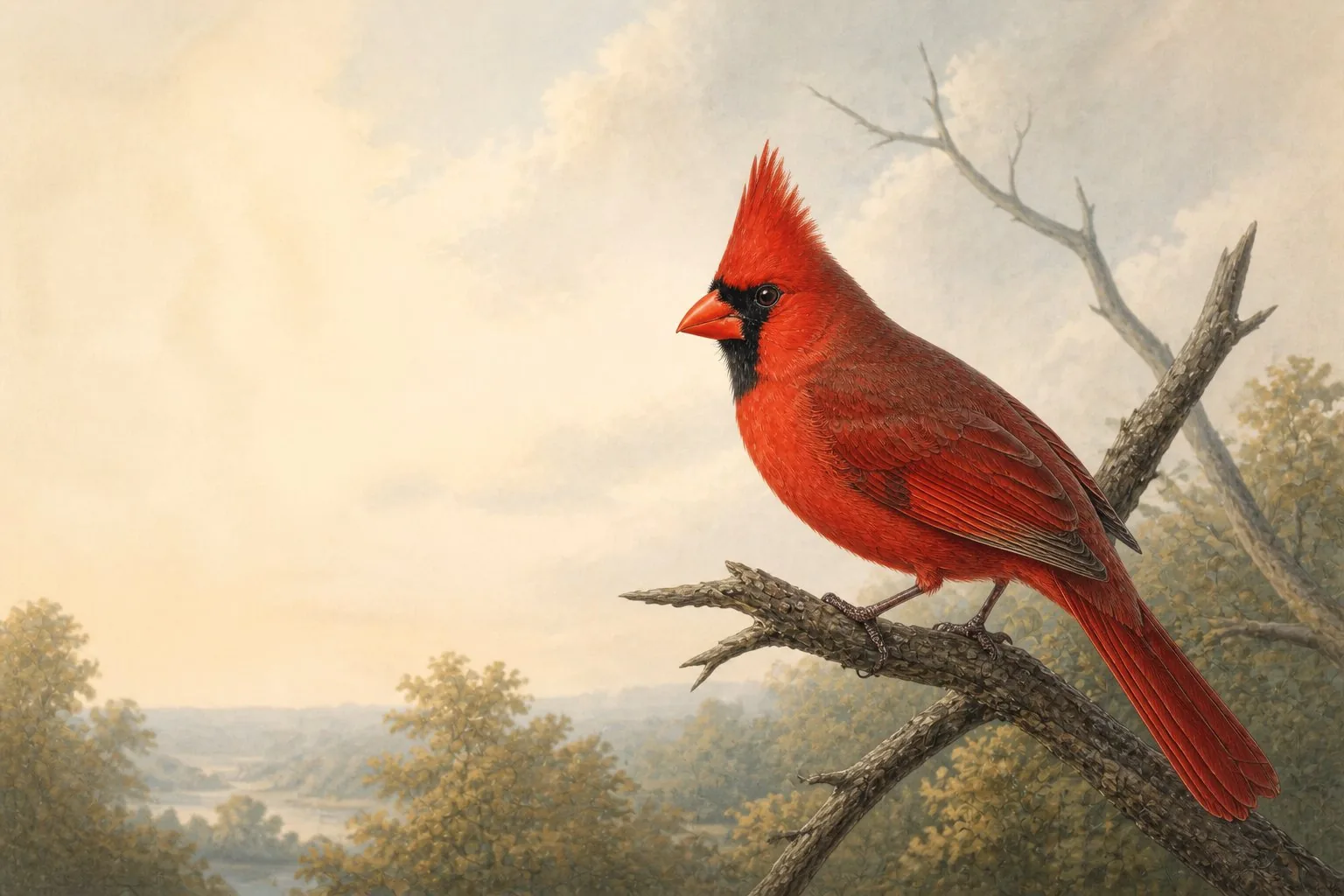
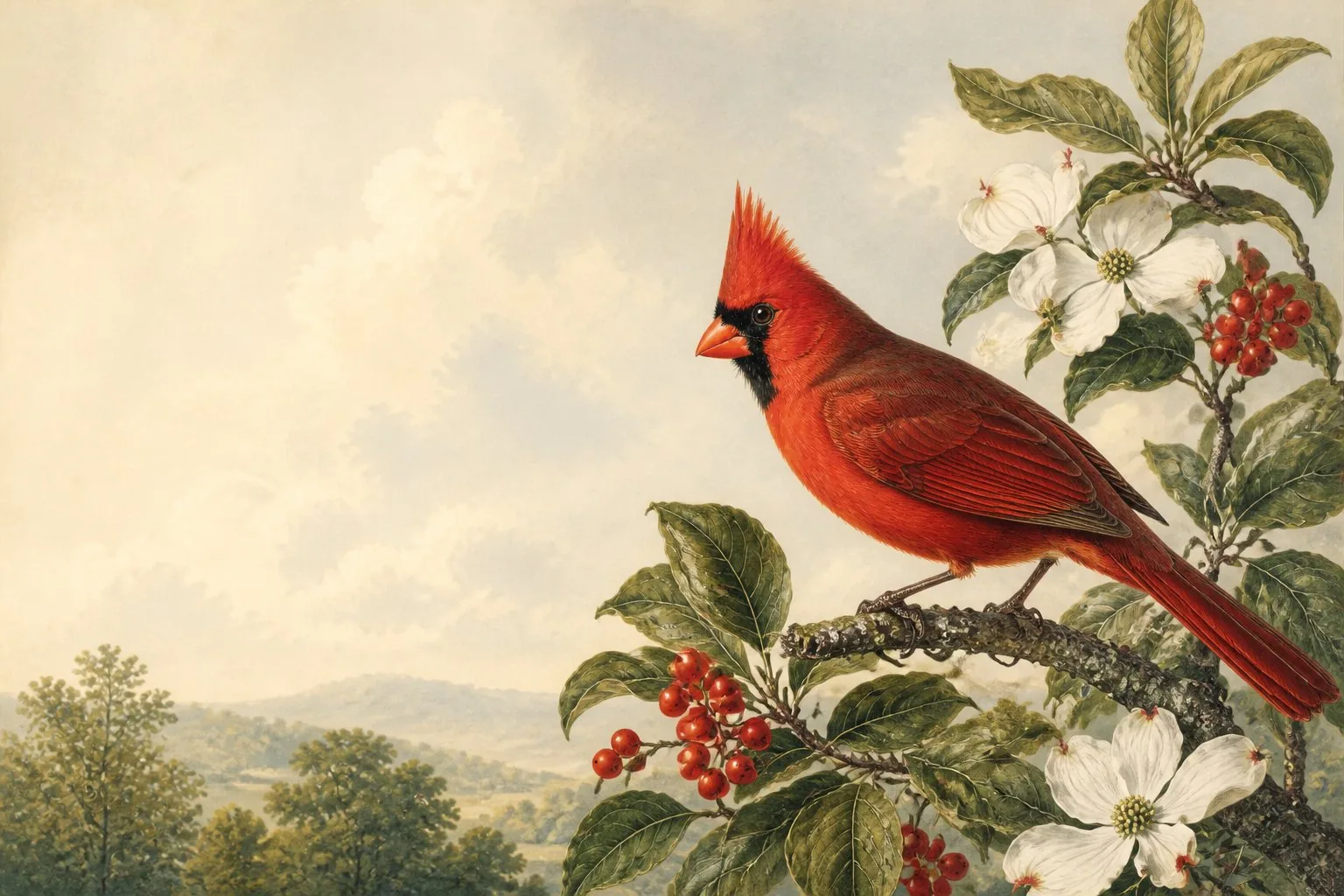
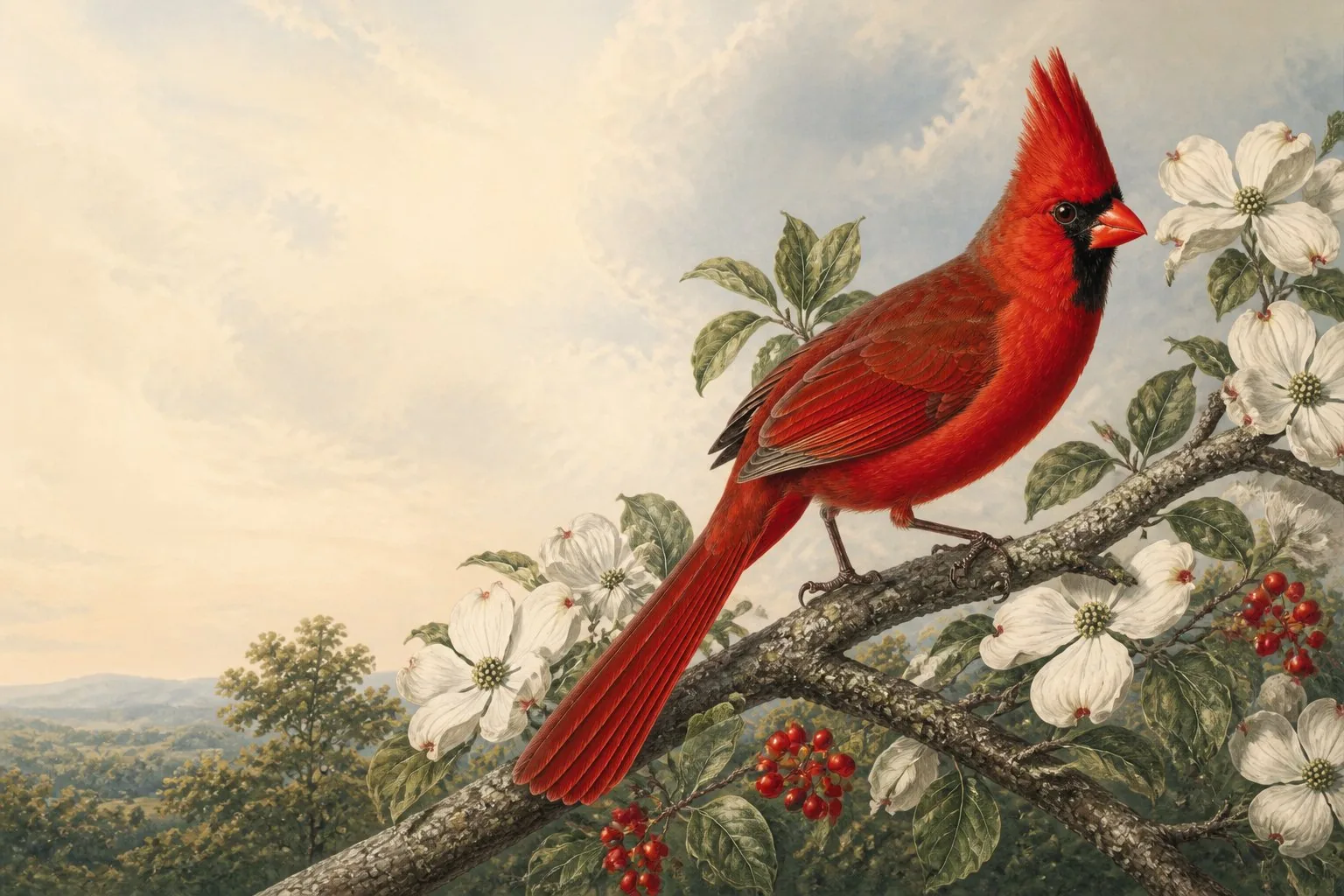
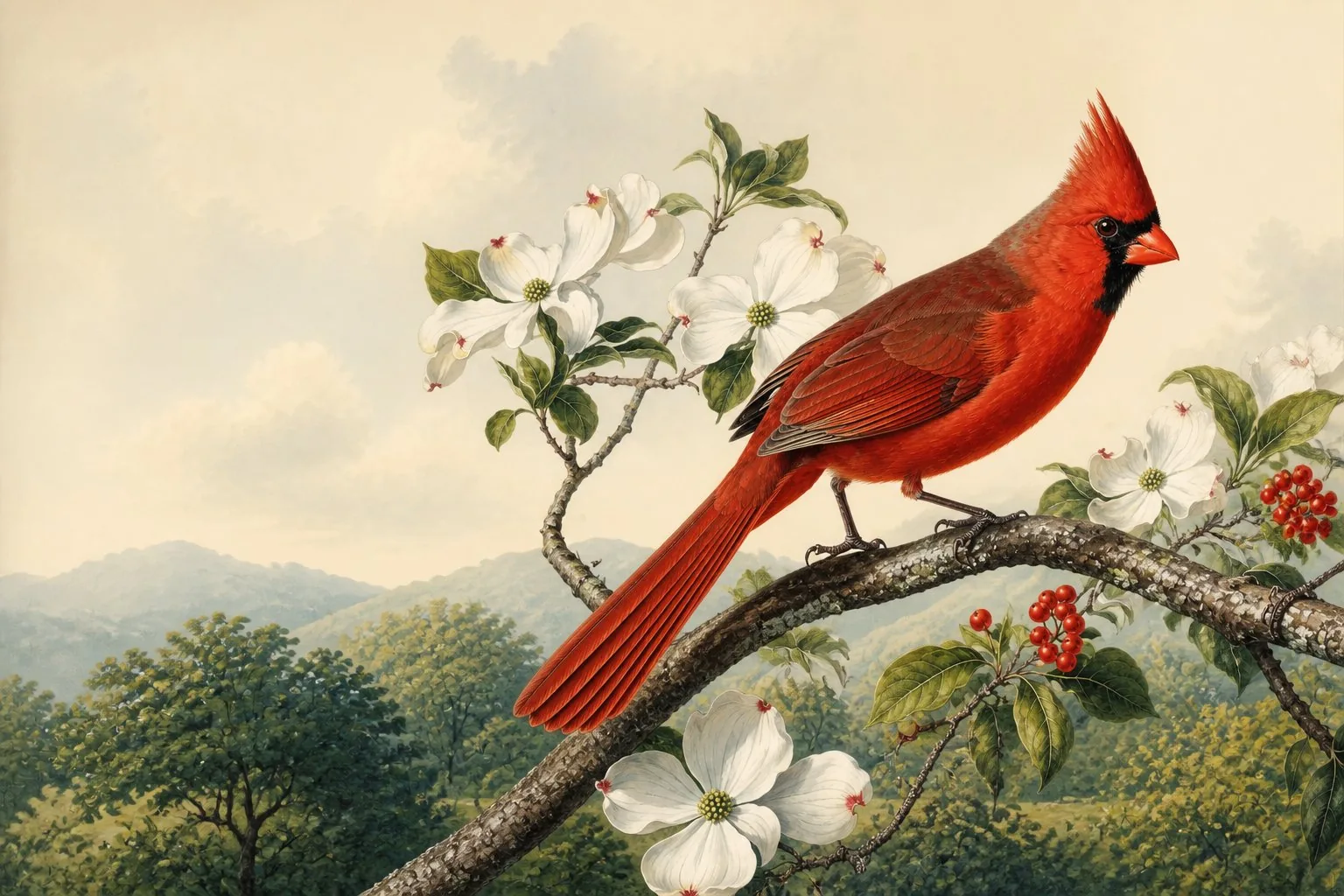
One January morning a male cardinal - Cardinalis cardinalis - lands on the arm of a cage-style suet feeder, grips for about two seconds, and then drops back into the hedge. He came back four more times that week. He never got a single bite.
Cardinals eat suet. The bigger problem is that most suet feeders were not built with cardinals in mind, and the bird will keep bouncing off yours until you fix that.
Suet is not their first choice
Cardinals are seed birds at heart. Black oil sunflower is the standard currency at any feeder where Northern Cardinals are regulars. Suet enters the picture when caloric demand rises - deep cold, early spring nesting, the protein load of late-summer molting - and the bird is willing to supplement. Under heavy snow, with seed feeders buried or empty, they will seek suet actively.
The key word is supplement. A cardinal who ignores your suet block in October is not being fussy. He has ample seed and fruit. When the temperature drops below freezing and holds there, his overnight caloric burn increases sharply, and suet - roughly 800 calories per 100g - becomes worth the detour.
The suet does not attract cardinals on its own. The seeds embedded in it do. If your suet cake is plain rendered fat, the cardinal is unlikely to investigate it at all.
Plain suet appeals most to woodpeckers, nuthatches, and the clinging specialists. Cardinals need something richer in the seed or nut department. Suet cakes pressed with black oil sunflower seeds or peanut pieces are the ones that get them.
The feeder design problem
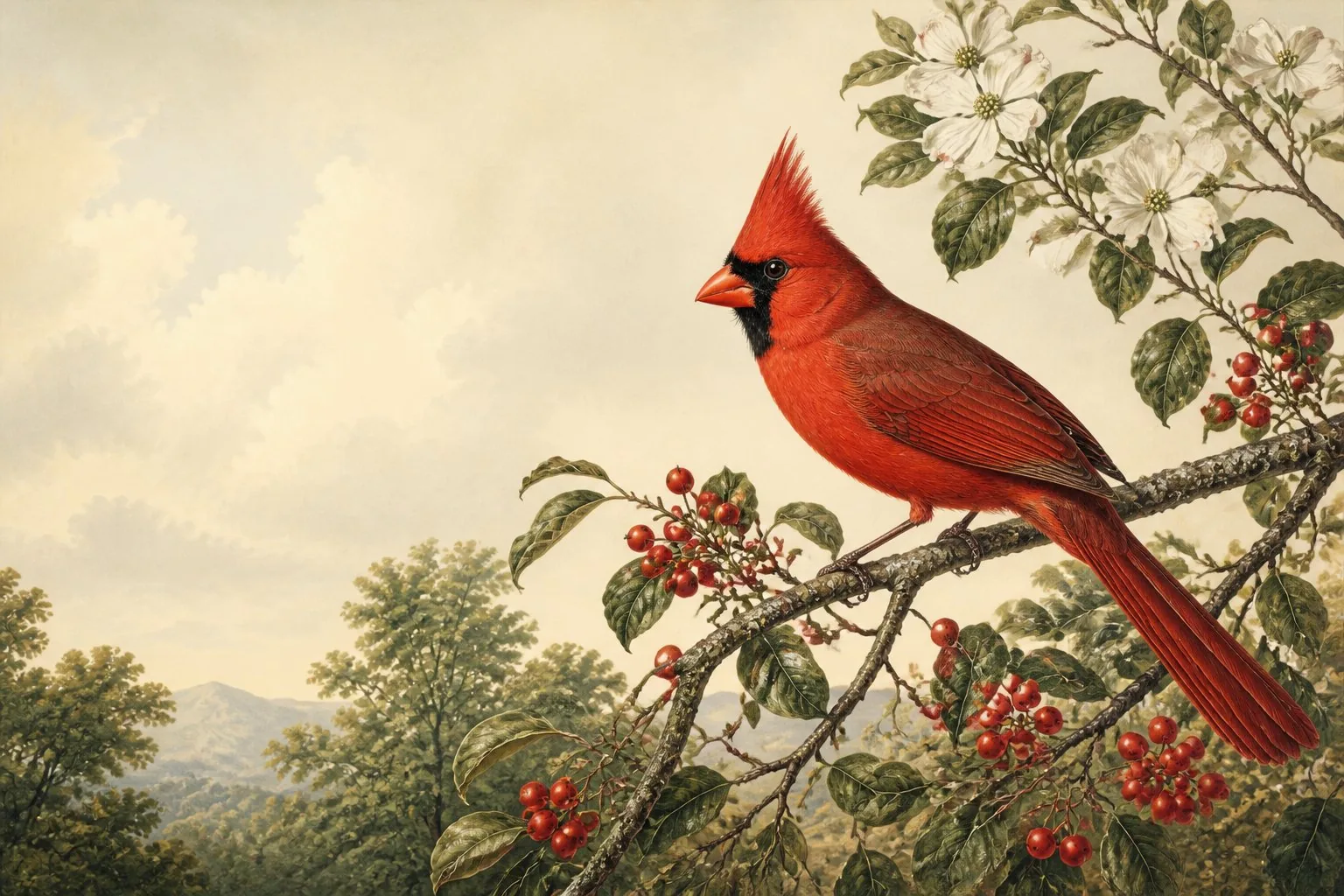
Cardinals are ground-and-perch feeders. In the wild, Cardinalis cardinalis works the leaf litter and the low shrub layer. She and he have strong bills and strong feet, but their feet are built for gripping horizontal branches, not clinging vertically to wire mesh. The standard cage-style suet feeder - the kind sold for downy woodpeckers - requires a grip that cardinals simply do not have.
This is why your suet feeder may get woodpecker and nuthatch traffic while the cardinal watches from the holly. He is not uninterested. He cannot hold on.
Three feeder setups actually work:
Platform feeder with suet crumbles. Break the suet cake into pieces and scatter them on a flat tray. This is the single most effective option. The cardinal eats comfortably in his natural posture, and the crumbles are easy to scatter daily so they stay fresh.
Cage feeder with an extended tail prop. Some cage feeders are sold with a wooden tail perch below the mesh - designed so that larger birds like cardinals can brace themselves against it while they feed. These work, though not as reliably as a platform.
Suet log with large perches. A drilled log with wide dowel perches can work for cardinals if the perches are at least a centimetre in diameter. Pencil-thin perches defeat the purpose.
Upside-down cage feeders - designed to exclude starlings - also exclude cardinals. Do not use them if cardinals are the target.
When to offer suet
Winter is when suet earns its place. December through February, cold nights burn the reserve a cardinal built through autumn, and a suet supplement at your feeder can make a measurable difference to how well he arrives at March in condition for breeding season. Cardinals who form loose winter groups will often visit feeders together during cold snaps, and a platform spread with suet crumbles and sunflower seeds will hold a small flock longer than seeds alone.
In summer, avoid standard suet cakes entirely. Rendered fat goes rancid in heat above 21 C, and a rancid cake will sicken birds. Reformulated no-melt suet - made with higher-melting fat blends - is safe to offer in warm weather and still draws cardinals if it contains seeds. That said, summer is the season to prioritise fresh fruit, mealworms for protein, and a clean water source over suet.
What the suet is actually doing
The case for suet in a cardinal-focused feeding setup comes down to winter protein and fat density. Seeds do the daily work. Suet does the emergency work - the night a cold front arrives faster than forecast, the week a late snowstorm covers every ground-foraging site in the yard.
The white and leucistic cardinals that turn up in backyard records tend to appear at platform feeders, not cage feeders, which is probably less about genetics and more about the fact that platform feeders attract a broader range of individual birds who might otherwise hang back. Any setup that reduces the effort required to eat increases the range of birds who show up for it.
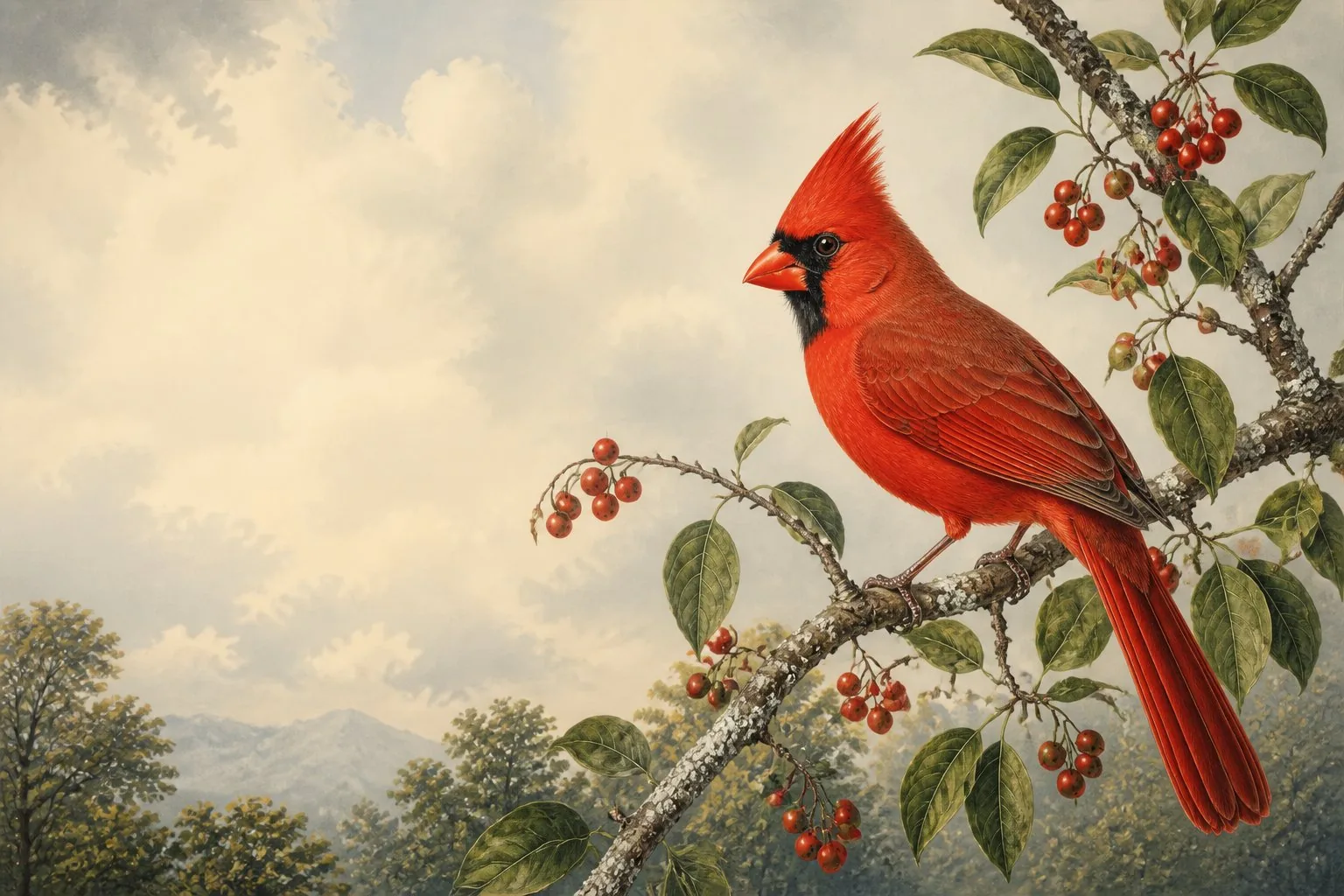
Keep the platform feeder close to cover - within three metres of shrubs or a brush pile. Cardinals are alert feeders and they do not like eating in the open. A suet crumble on a tray in the middle of an exposed lawn will sit ignored. The same crumble on a platform two metres from a dense holly will be taken within an hour of fresh placement on a cold morning.