Biology
Do Cardinals Eat Peanuts?
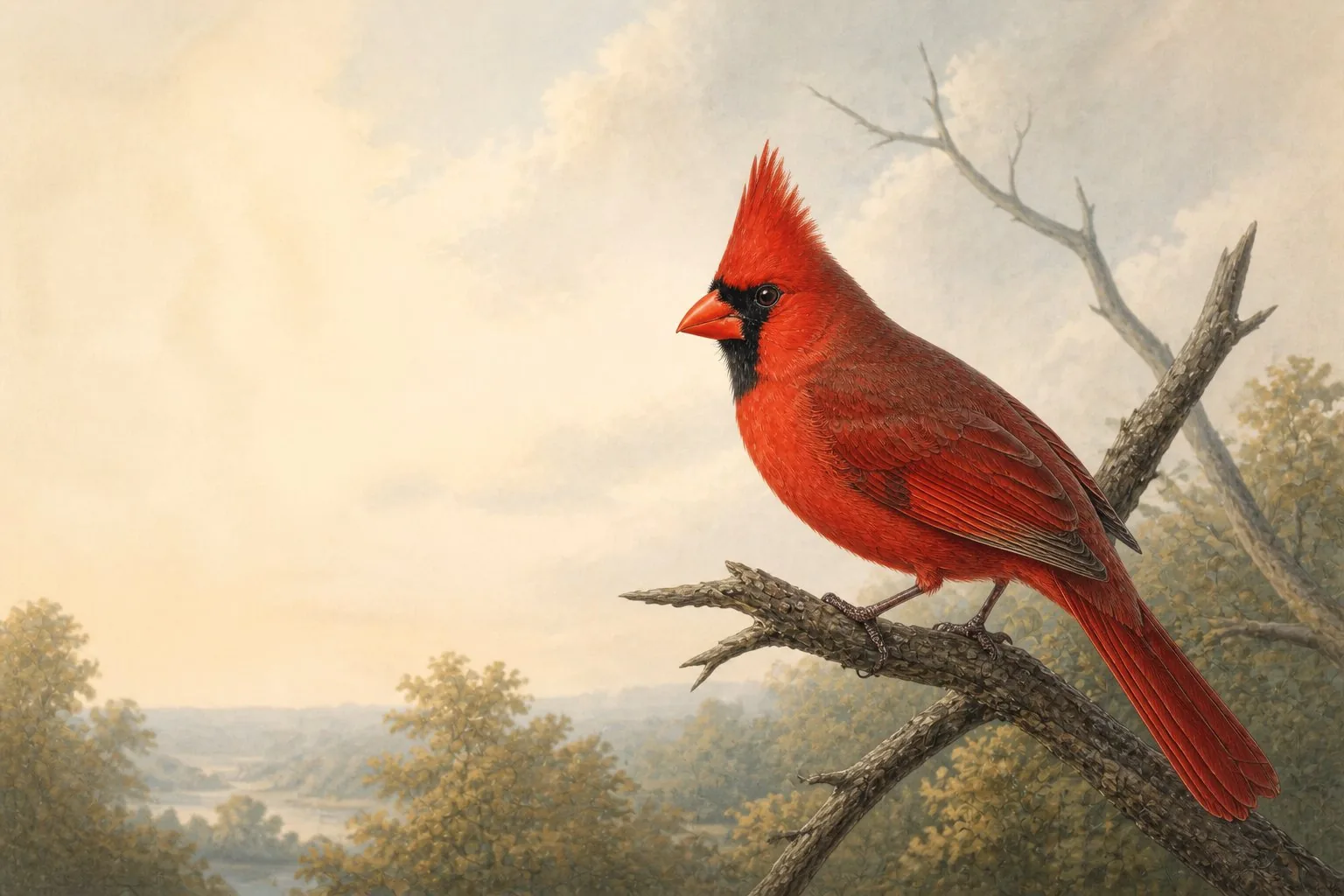
Put a whole peanut on the feeder rail and watch what happens. The blue jay grabs it and leaves. The cardinal lands, turns the peanut once, and flies off without it.
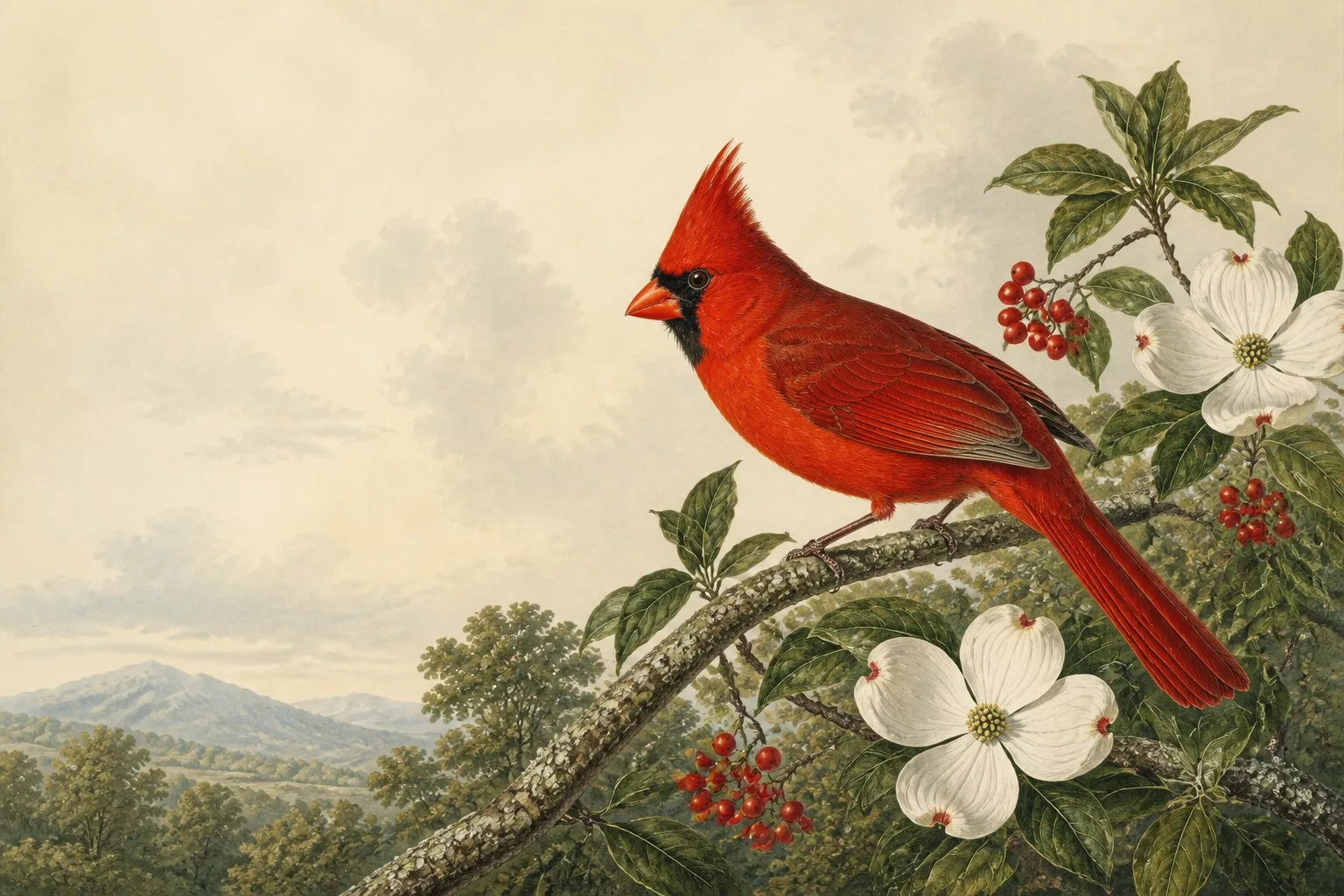
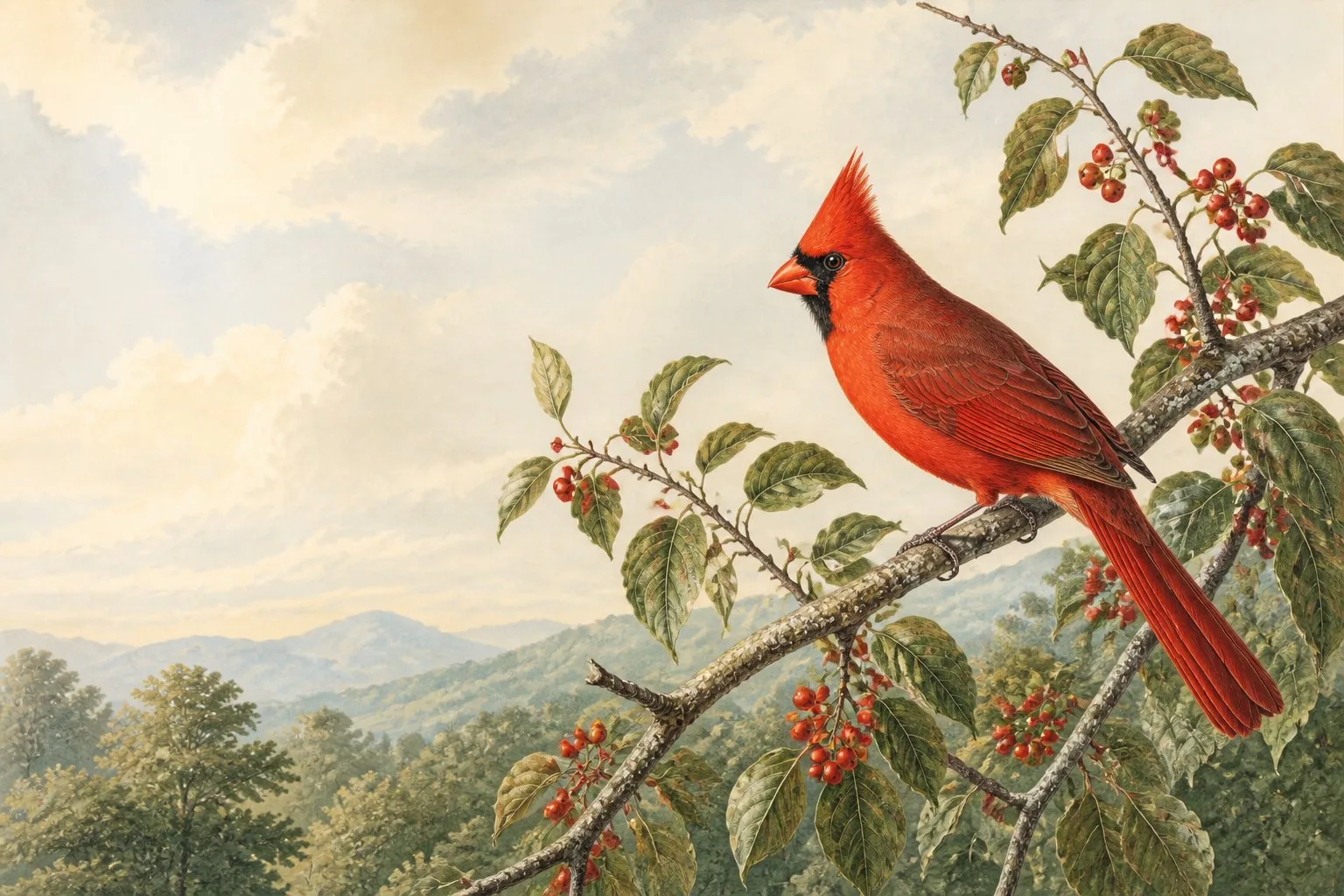
This is not pickiness. It is anatomy. The Cardinalis cardinalis bill is a short, deep cone - one of the most powerful crushing tools in North American passerine birds, calibrated over generations to crack hard-shelled seeds by applying force at the exact point of maximum leverage. A whole peanut shell sits at the wrong end of that leverage curve: too large to position cleanly, too awkward to crack in the single motion the bird prefers. The cardinal does not struggle with it. He simply finds it not worth the effort and moves on to the sunflower seeds.
Crush the peanut and the calculation reverses completely. A pile of broken peanut pieces on a platform feeder is exactly the kind of food that bill was built for: dense, calorie-rich fragments that crack cleanly and sit flat. Cardinals eat them quickly and return for more.
What peanuts offer, nutritionally
Peanuts are among the most energy-dense foods you can put on a feeder. Raw unsalted peanuts run roughly 26g of protein and 49g of fat per 100g - more fat than sunflower seeds, and more usable protein than most commercial seed mixes. For a cardinal carrying a brood through June, or holding a winter territory through January, both figures matter.
The fat content is the main draw in cold weather. Birds burn through reserves overnight when temperatures drop below freezing, and high-fat foods like peanuts let them rebuild quickly at the morning feed. The protein matters most during breeding season, when both parents are feeding nestlings and the male’s own plumage-related biology is making demands on his body.
Protein: ~26g per 100g - supports feather development and muscle maintenance
Fat: ~49g per 100g - primary fast-energy source in cold weather
Key vitamins: B vitamins, vitamin E, niacin
How to offer peanuts to cardinals
| Form | Feeder type | Notes |
|---|---|---|
| Crushed pieces | Platform or tray feeder | Best choice; sized for the bill |
| Shelled halves | Platform feeder | Cardinals will eat these; jays prefer them whole |
| Peanut butter | Smeared on bark or a log | Use plain, unsalted; no xylitol, no honey-roast |
| Whole unshelled | Anywhere | Cardinals rarely bother; feed jays and squirrels instead |
Cardinals are ground-level and platform feeders by preference. They do not hang comfortably on a mesh peanut feeder the way a titmouse does. A well-placed platform feeder at roughly 4 to 6 feet keeps the food accessible to cardinals while reducing exposure to cats.
Crush the peanuts. This single step is the difference between a feeder the cardinal visits once and one she works through a second time.
One safety rule worth taking seriously
Mouldy peanuts produce aflatoxins - a class of fungal toxin that can kill birds at low doses and accumulate in feeders that are not emptied and cleaned regularly. Aflatoxin is not visible at the point where it becomes dangerous. The safe habit is to buy peanuts in small quantities, store them sealed and dry, and discard anything that shows discolouration or smells off. Clean the platform feeder with a dilute bleach solution every two weeks, the same schedule recommended for hummingbird feeders.
Salted, honey-roasted, and flavoured peanuts are not suitable for any feeder birds. The sodium load from salted nuts is harmful to small birds. This applies to peanut butter as well - check the label, and skip anything containing xylitol, which is toxic.
Nestlings need something different
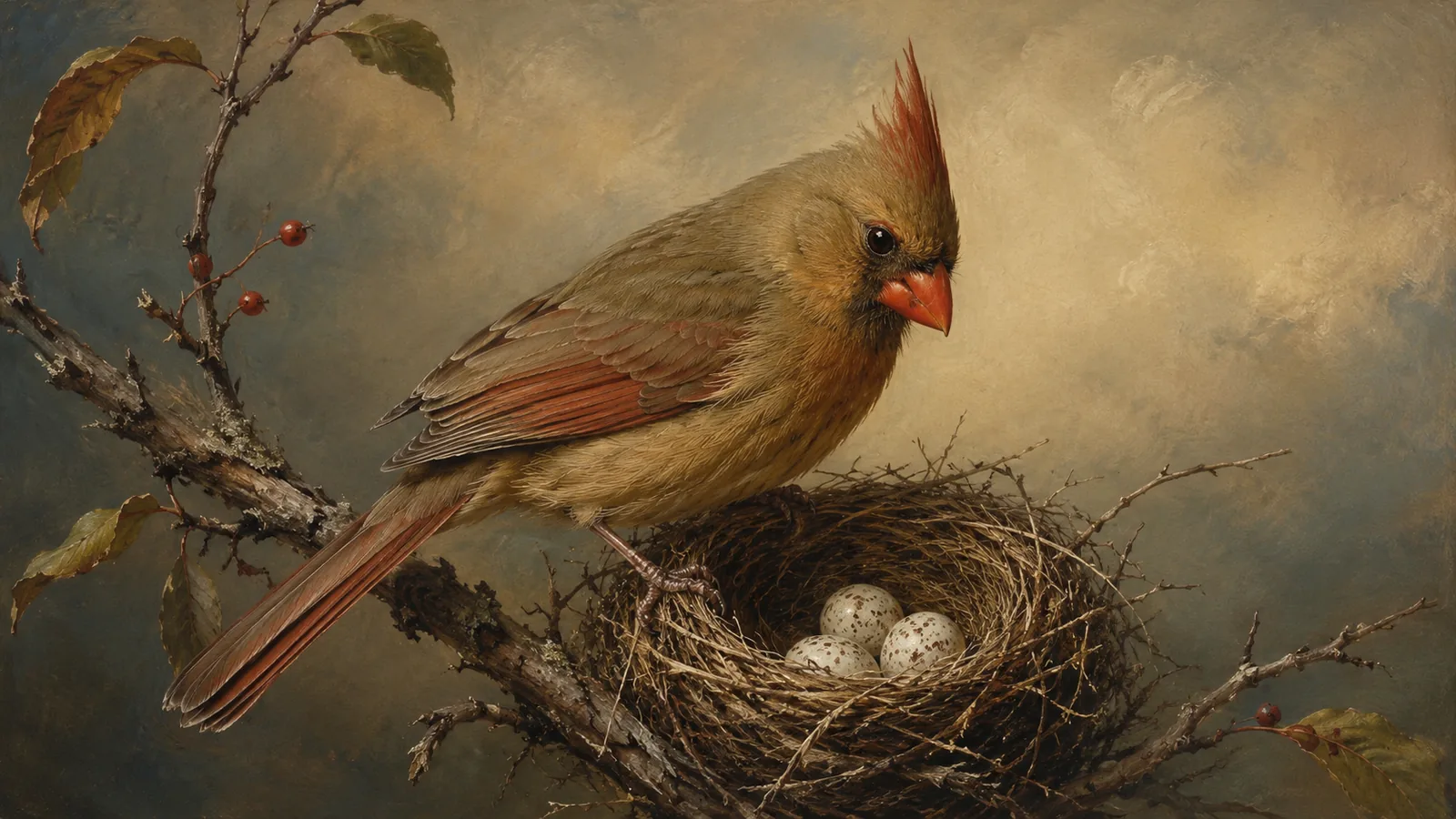
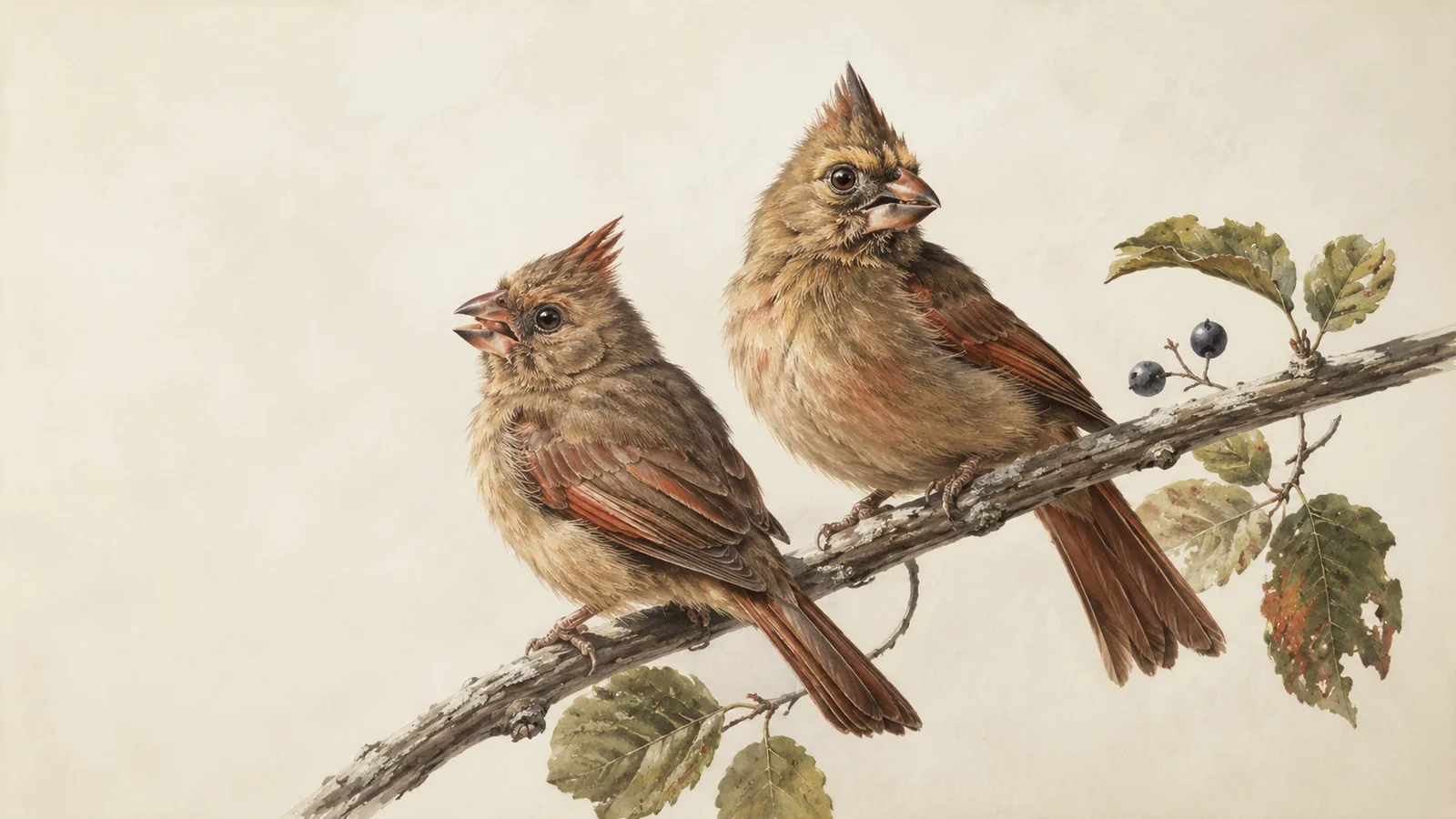
If you watch a cardinal pair in late May, you will see both adults making short fast trips between feeder and dense shrubs. What they are carrying is not seed. Nestlings are fed almost exclusively on soft-bodied insects - caterpillars, small beetles, and insect larvae. A hard fat-rich peanut piece serves an adult well; it serves a three-day-old chick badly. The parents know the difference.
Cardinals that look unusual at the feeder
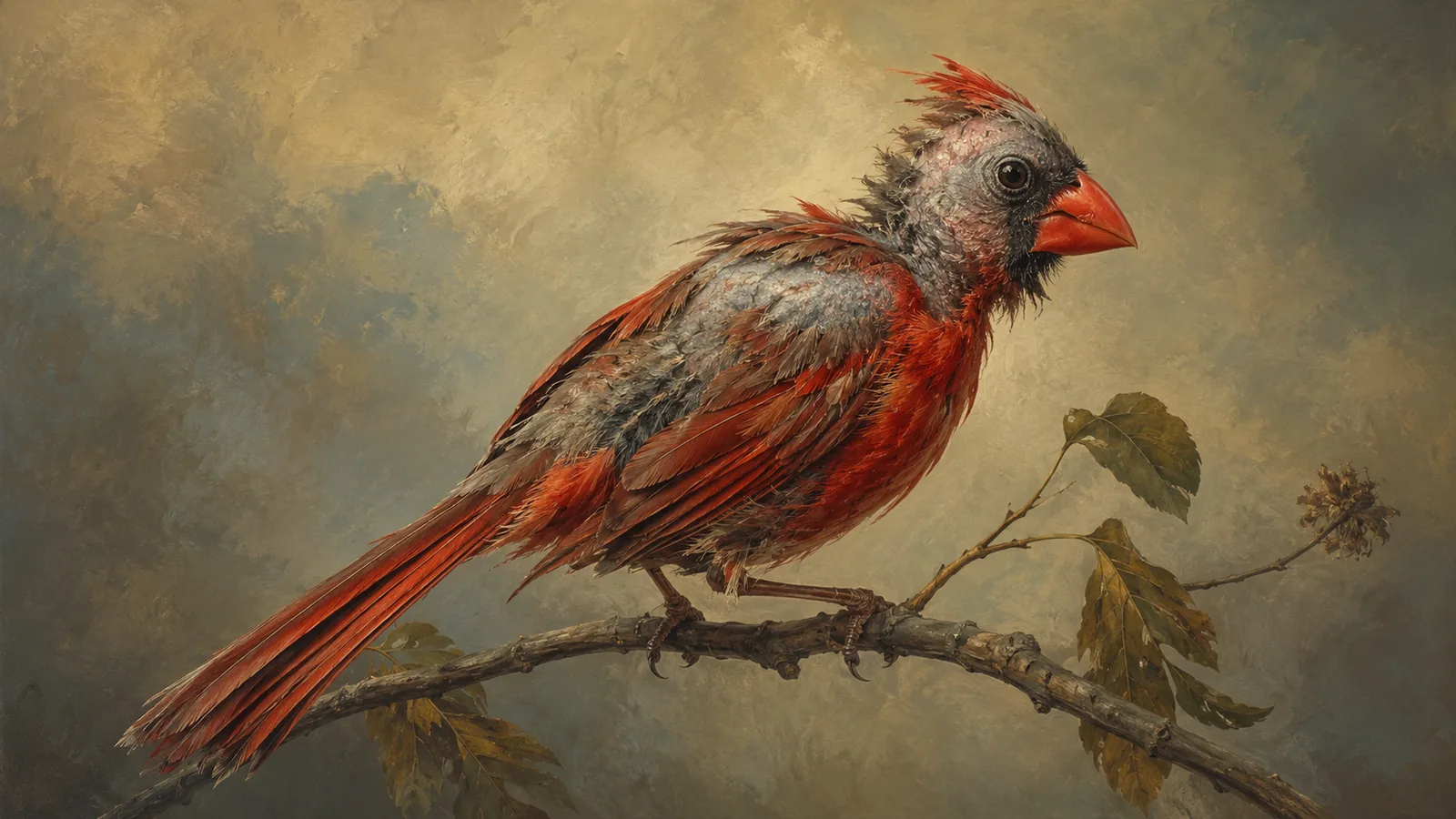
Occasionally a cardinal at the feeder looks like something has gone wrong - patchy plumage, an odd colour shift, or a head that appears almost bald in August. These are not signs of illness. White cardinals are a genuine (if rare) pigmentation variant, not a disease. Bald-headed cardinals in late summer are mid-moult, a normal annual process. Neither bird needs you to remove the feeder or change what you are offering.