Hummingbirds do not nest in birdhouses. They are too small for standard boxes, and they build their own cup-shaped nests on branches - never inside cavities. But you can create ideal nesting conditions by providing shelter, food, and the right materials.
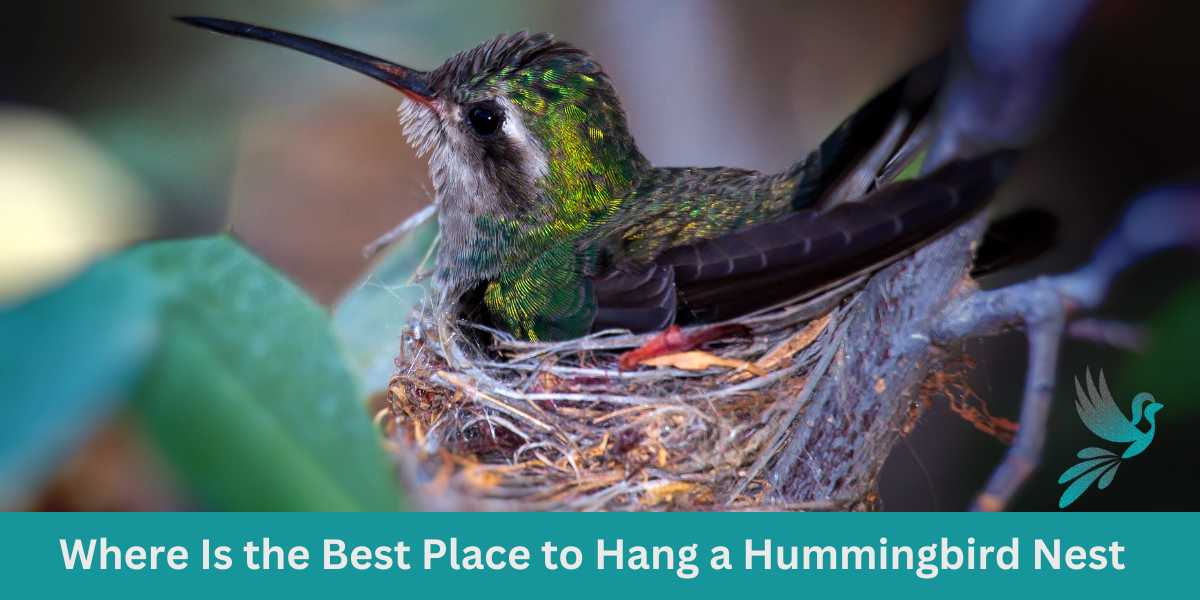
What a Hummingbird Nest Looks Like
| Size | About the size of a large thimble |
| Shape | Tiny cup, built on top of a branch |
| Materials | Spider silk, thistle down, dandelion fluff, lichen, moss |
| Builder | Female only |
| Construction time | 5-10 days |
| Reuse | Some species reuse nests for multiple broods in a season |
The female stamps on the base to stiffen it while leaving the walls flexible - the nest stretches as the chicks grow. Spider silk is the key ingredient: it binds everything together and gives the structure elasticity.
Nests are extremely well camouflaged. Most people walk past them without noticing. They look like a small knot on a branch, covered in lichen.
How to Attract Nesting Hummingbirds
You cannot place a hummingbird nest for them. But you can make your garden irresistible.
Food Sources
- Plant tubular flowers - Honeysuckle, trumpet creeper, bee balm, cardinal flower, salvia, fuchsia, and petunias
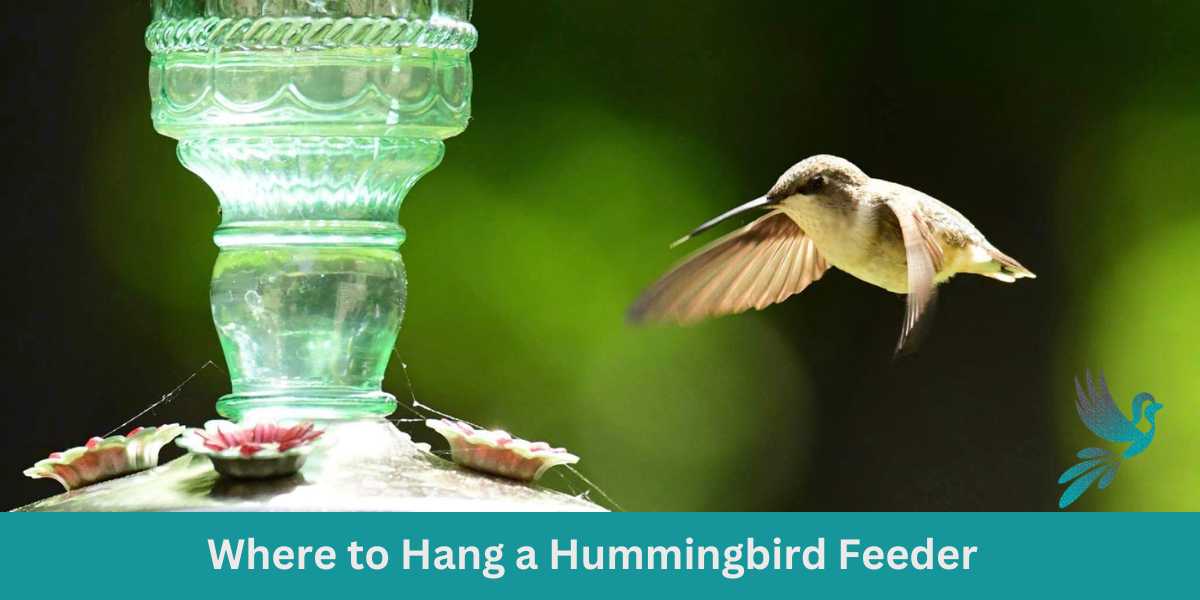
- Hang a feeder - 4 parts water to 1 part white sugar. No red dye. Place in partial shade to slow fermentation.
- Leave insects alone - Hummingbirds feed their chicks almost entirely on tiny insects and spiders. Avoid pesticides.
Shelter and Nesting Sites
- Trees with thin forking branches - Hummingbirds prefer to build on small branches 3-20m off the ground
- Sheltered from wind and rain - Under eaves, canopy cover, or dense tree crowns
- Partial shade - Full sun overheats the nest; full shade is too cold
- Away from feeders - Females nest away from the territorial aggression around feeding stations
Water
- Moving water - A mister or small fountain attracts hummingbirds far more than a still birdbath
- Shallow - They bathe in fine mist or on wet leaves, not in deep water
Nesting Material
- Leave spider webs intact - Spider silk is the essential binding material
- Let dandelions and thistles go to seed - The down is used for insulation
- Leave lichen on trees - Used for camouflage on the nest exterior
Hummingbird Nesting Platforms
You can buy or build a small open platform (not an enclosed box) to encourage nesting. These are simple Y-shaped or cup-shaped brackets that mimic a forking branch.
- Mount under eaves or a porch roof for rain protection
- Height - At least 2m off the ground
- Put up 2 weeks before hummingbirds typically arrive in your area
- No guarantee - Hummingbirds are choosy and may ignore the platform entirely
Hummingbirds do not use birdhouses because they are not cavity nesters. Any enclosed box marketed as a “hummingbird house” is a gimmick. What works is the right habitat: flowers, water, spider webs, and sheltered branches.
Why Not Birdhouses?
Standard birdhouses are designed for cavity nesters - wrens, bluebirds, chickadees. Hummingbirds are open-cup nesters that build on top of exposed branches. Even if a hummingbird could fit through the entrance hole, the enclosed space would be wrong for their nest construction.
The entrance hole would also expose them to predators that could reach inside. Their actual nests rely on camouflage and height for protection, not enclosure.