Biology
Do Cardinals Eat Caterpillars?
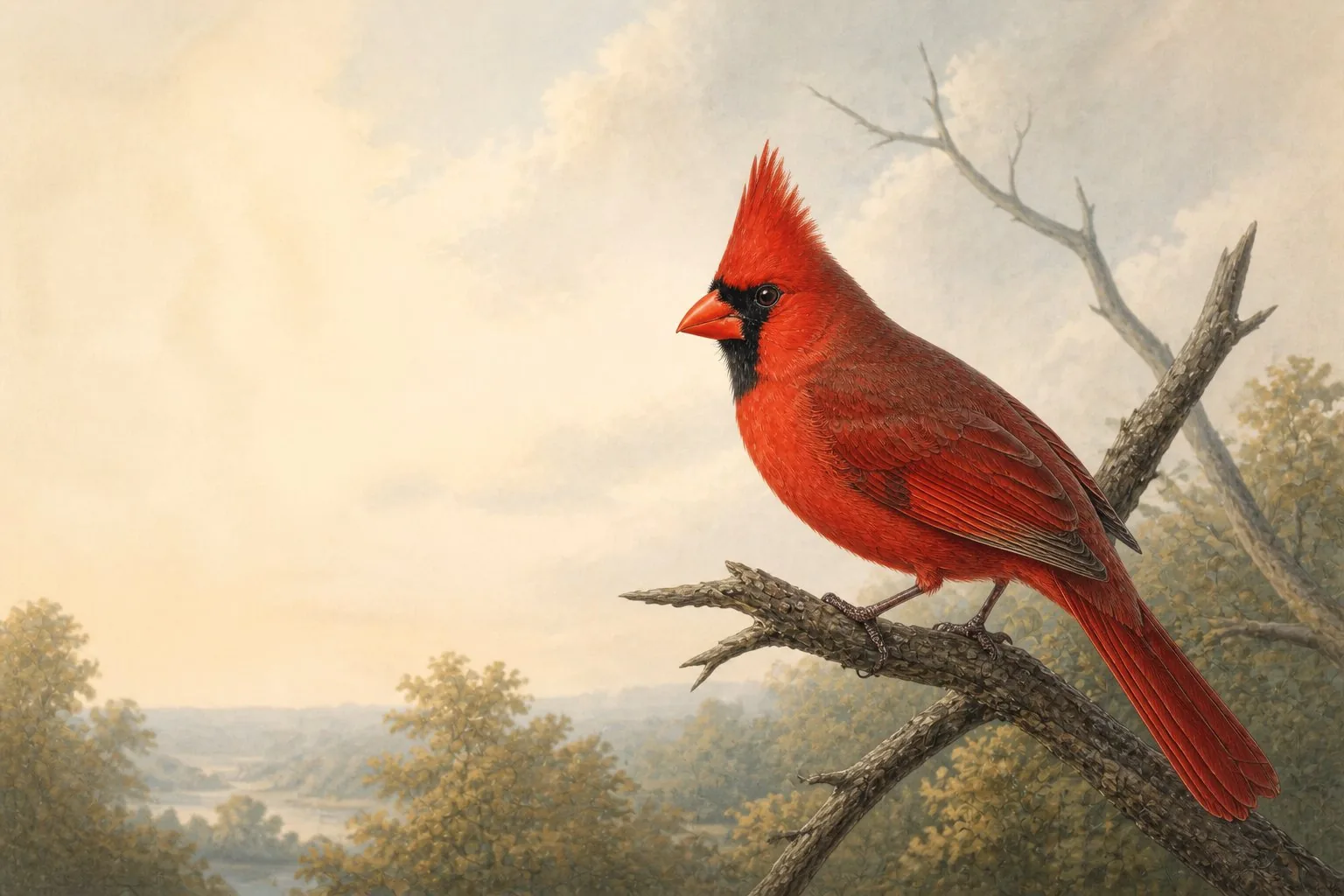
She is not at the feeder. She is on the low oak branch, bill pointed down, working through the new leaves. It is early May in central Virginia and she is hunting.
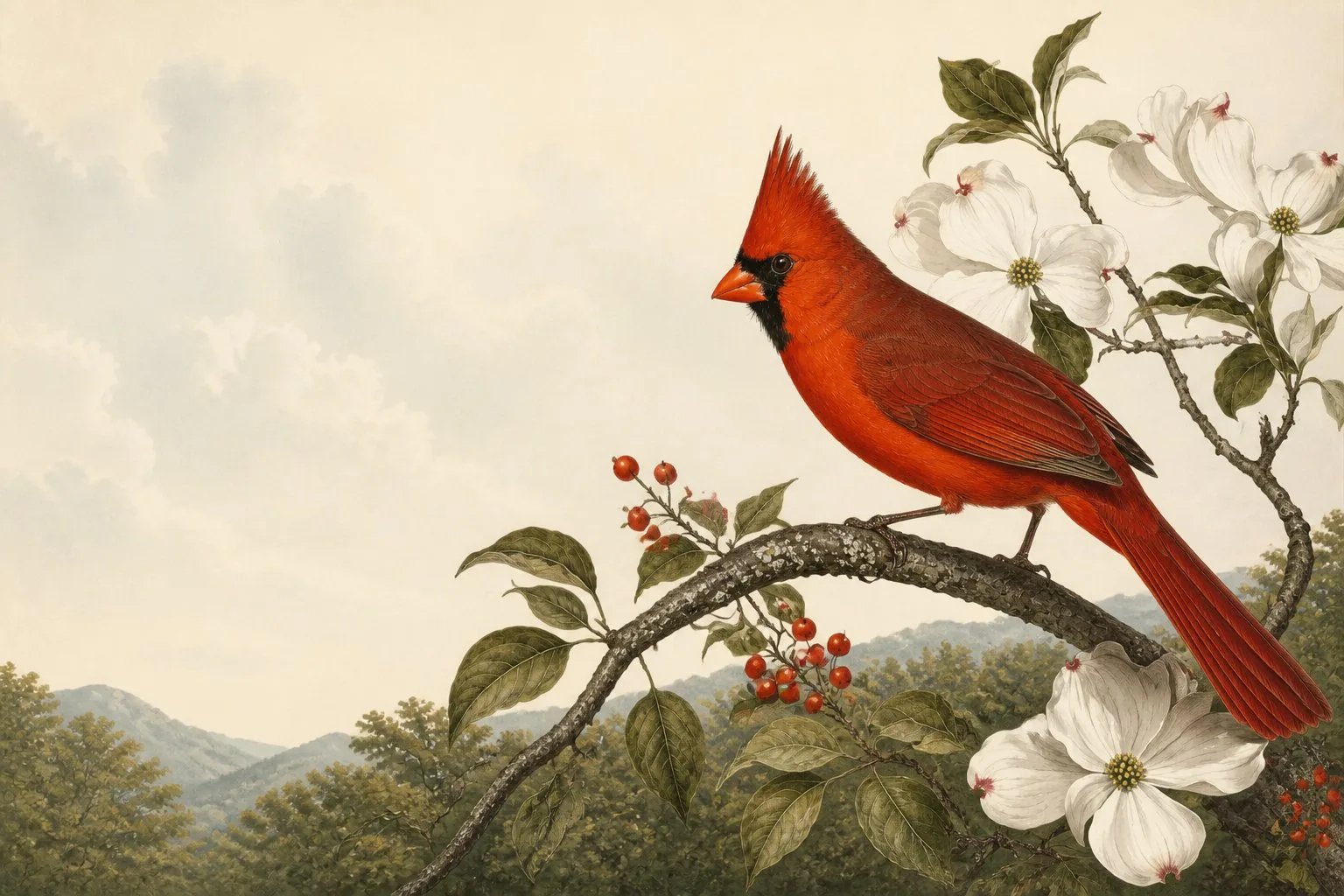
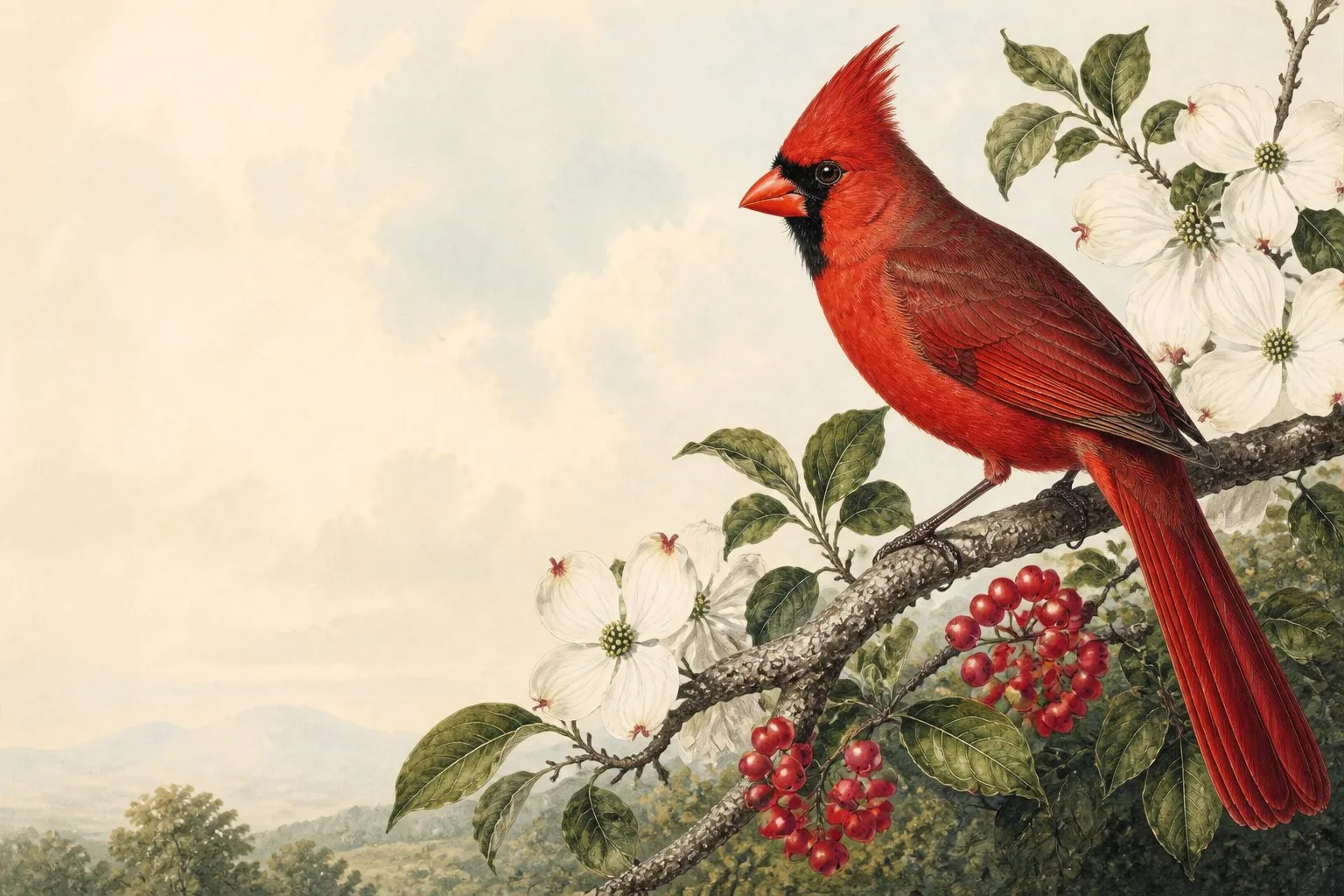
The Northern Cardinal (Cardinalis cardinalis) is one of the most recognised backyard birds in North America, and her reputation is almost entirely built on seeds. She sits at sunflower feeders. She cracks millet. She carries on through February ice storms when other species have gone south. That reputation is accurate but incomplete. For roughly three months each year, the cardinal becomes a different kind of bird - a protein hunter, methodically picking caterpillars from leaves to feed chicks that cannot yet eat anything else.
The breeding-season shift
In winter, insects make up a small fraction of the cardinal’s diet. By late April, that fraction climbs sharply. Nestling cardinals cannot process seeds or berries in their first days of life. Their parents feed them soft animal protein almost exclusively - and caterpillars are the primary source.
A female forages closer to the nest than she would outside of breeding season, which means she is working the same shrubs and low tree branches over and over. She is looking for caterpillars that are smooth-bodied and slow. She finds them on the undersides of leaves, in the crotches of branches, wherever new growth is happening. She carries them back and regurgitates partially digested insects for the youngest chicks. As the brood grows, she and the male begin bringing whole caterpillars. A pair raising two broods can work through thousands of caterpillars in a single season - which is one reason a pesticide-free yard with native plants matters more in May than a full feeder does.
Which caterpillars cardinals take
Not all caterpillars are equal to a foraging cardinal. The key variable is texture. Smooth-bodied larvae are easiest to handle and digest. Hairy or spiny caterpillars - the kind that carry irritants or are physically difficult to grip - are generally avoided. A banded woolly bear or a hickory tussock moth caterpillar will be left alone. A smooth early-instar moth larva on a cherry leaf will not last long.
| Caterpillar type | Cardinal’s response | Reason |
|---|---|---|
| Smooth butterfly and moth larvae | Taken readily | Easy to handle and digest |
| Monarch larvae | Occasionally, not preferred | Milkweed sequestered as bitter toxins |
| Hairy or spiny caterpillars | Generally avoided | Irritants, hard to grip |
Monarch caterpillars are worth a note. They sequester cardenolide compounds from milkweed, which makes them unpalatable to most predators. Cardinals will occasionally take a young monarch larva before toxin levels peak, but they do not seek monarchs out. The protection is real.
Native oaks and cherry trees host the most caterpillar diversity - ornithologists point to them consistently when advising on bird-friendly planting. This is not incidental to the cardinal’s diet. It is the infrastructure the diet depends on.
A garden that supports caterpillars supports cardinals. The feeder matters less in May than the oak at the edge of the yard.
What the insect diet builds
The protein from caterpillars is not just fuel. It is structural material. Nestling cardinals grow their first feathers, develop their flight muscles, and lay down bone density in roughly 10 days before fledging. That pace requires amino acids that seeds cannot supply in sufficient concentration.
The molt that reshapes the male each August is also protein-dependent. The quality of the new feathers - and therefore the brightness the female will use as a mate-quality signal next spring - is partly a function of what the bird ate in late summer. Caterpillar hunting runs deeper than breeding season. It is one thread in a cycle that crosses the whole year.
Cardinals sing to defend the territories where that foraging happens. A singing male in April is not just declaring presence. He is announcing control of the shrub layer where his mate will spend the next eight weeks hunting.
Supporting insect foraging in your yard
The single most effective step is planting native species - particularly oaks, willows, native cherries, and serviceberries - which collectively host far more caterpillar diversity than non-native ornamentals. A Bradford pear supports almost no caterpillar species. A native wild cherry supports dozens.
Leaf litter matters too. Cardinals forage through fallen leaves for larvae and pupae on the ground. Raking everything away in autumn tidies the yard and removes food.
Pesticide use is the clearest lever. Systemic insecticides present in plant tissue move up the food chain. A yard treated for grubs has fewer caterpillars, and in May and June, fewer of the high-protein prey that cardinal chicks require.
The feeder is not irrelevant - sunflower seeds sustain adults through winter when insects are unavailable. But what you know about a group of cardinals at a feeder in December tells you less about the bird than what you would see if you followed the female into the shrub layer in May. The seed-cracker at your feeder is capable of something more exacting. For the most critical weeks of her year, she is a hunter, and the caterpillars she finds determine whether her chicks survive their first fortnight on earth.