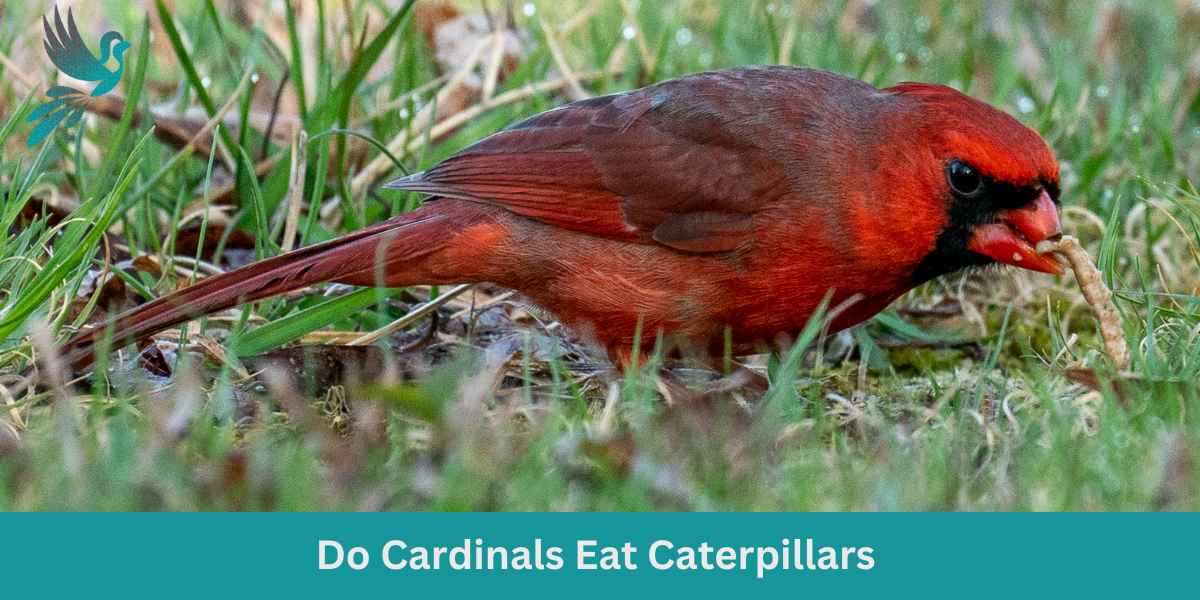
Yes. Cardinals eat caterpillars regularly, especially during breeding season when nestlings need high-protein food. An adult cardinal can eat hundreds of caterpillars in a single day.
Cardinal Diet Breakdown
| Food type | Percentage of diet | When |
|---|---|---|
| Seeds | ~50% | Year-round, especially winter |
| Fruits and berries | ~20% | Summer and autumn |
| Insects (including caterpillars) | ~30% | Spring and summer, higher during breeding |
Which Caterpillars Cardinals Eat
| Caterpillar | Do cardinals eat it? | Notes |
|---|---|---|
| Butterfly caterpillars | Yes | Including eggs, larvae, and caterpillars |
| Moth caterpillars | Yes | Most smooth-bodied moth larvae |
| Monarch caterpillars | Occasionally | Not preferred - contain bitter toxins from milkweed |
| Gypsy moth caterpillars | No | Other birds (jays, cuckoos, orioles) eat these |
| Brown tail moth | No | Cardinals avoid these - hairy and irritating |
| Fuzzy/hairy caterpillars | Generally no | Hair-like structures deter cardinals |
| Soft-bodied caterpillars | Yes - preferred | Easiest to eat and digest |
Why Caterpillars Matter for Baby Cardinals
Nestling cardinals are fed almost exclusively on insects for the first week of life. Caterpillars are the primary food source because they are:
- High in protein (essential for muscle growth)
- Soft-bodied (easy for chicks to swallow)
- Abundant during spring and summer breeding season
- Found in the same shrubby habitats where cardinals nest
Parents regurgitate partially digested caterpillars for very young chicks, then bring whole caterpillars as the chicks grow larger.
Other Insects Cardinals Eat
Beetles - A staple insect food year-round
Crickets and grasshoppers - Large, protein-rich prey
Spiders - Common in shrubs where cardinals forage
Cicadas - Eaten when available during emergence years
Flies and leafhoppers - Small prey eaten opportunistically
How to Support Cardinal Insect Hunting
Skip pesticides - A pesticide-free garden supports the caterpillars and insects that cardinals feed to their chicks.
Plant native shrubs - Native plants host more caterpillars than non-native ornamentals. Oaks, willows, and cherry trees support the most caterpillar species.
Leave leaf litter - Cardinals forage through fallen leaves for insects and larvae on the ground.
A single pair of cardinals raising two broods can consume thousands of caterpillars and insects in a single breeding season. They are one of the most effective natural pest controllers in your garden.