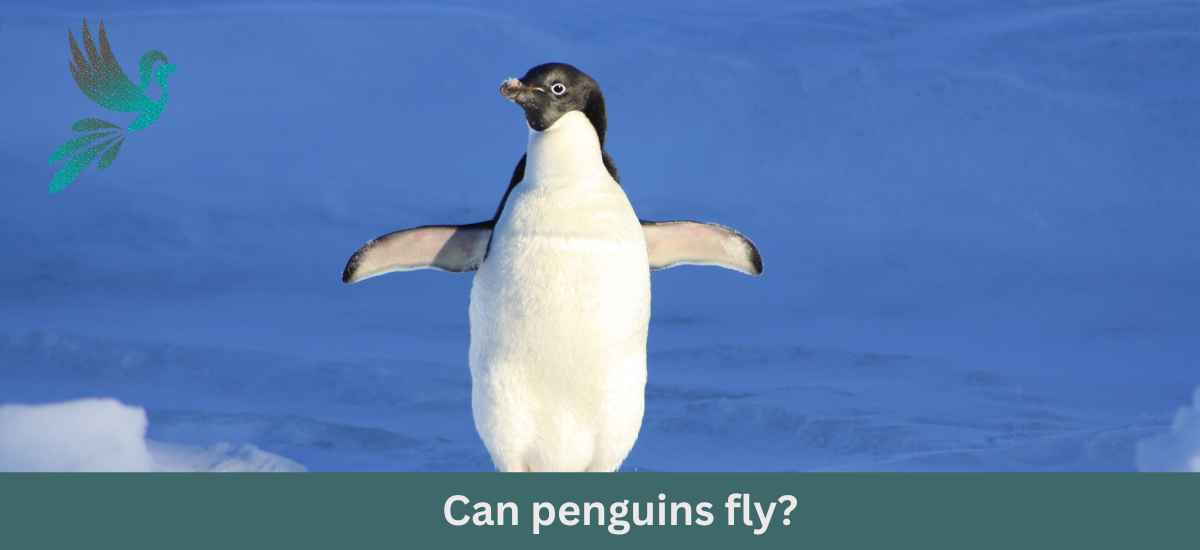
No. Penguins cannot fly. They traded flight for swimming roughly 65 million years ago, and the trade was worth it - they are the most efficient underwater birds on the planet.
Penguins by the Numbers
| Stat | Value |
|---|---|
| Top swimming speed | 36 km/h (22 mph) - Gentoo Penguin |
| Maximum dive depth | 565m (1,850 ft) - Emperor Penguin |
| Longest breath hold | 20+ minutes - Emperor Penguin |
| Time spent in water | Up to 75% of their lives |
| Number of species | 18 |
| Flight ability | Zero. None. Not even a little bit. |
Why Can’t Penguins Fly?
Penguins evolved from flying seabirds related to petrels and albatrosses. Over millions of years, their wings became shorter, stiffer, and flattened into flippers optimised for propulsion underwater. Their bones became denser (flying birds need hollow bones for lightness), and their bodies became heavier and more streamlined.
Flying and diving require opposite wing designs. A wing that is great for flying through air is inefficient underwater, and vice versa. Penguins committed fully to swimming, and the result is a bird that “flies” through water with astonishing speed and agility.
What Do Penguin Wings Actually Do?
Swimming: Penguin flippers work like hydrofoils. They generate thrust on both the upstroke and downstroke, propelling the bird through water at speeds no flying seabird can match underwater.
Steering: By angling their flippers, penguins make sharp turns to chase fish or evade leopard seals.
Thermoregulation: Flippers help penguins regulate body temperature. In cold water, blood flow to the flippers is reduced. On warm days, they hold their flippers out to dump excess heat.
Penguins vs Puffins
People often confuse these two birds, but they are not related.
| Feature | Penguins | Puffins |
|---|---|---|
| Can fly? | No | Yes - up to 88 km/h (55 mph) |
| Family | Spheniscidae | Alcidae (auks) |
| Hemisphere | Southern only | Northern only |
| Size | 30-120cm depending on species | 25-30cm |
| Diving | Up to 565m deep | Up to 60m deep |
Puffins can both fly and dive, but they are mediocre at both compared to specialists. Penguins gave up flight entirely and became the best divers in the bird world.
The 18 Penguin Species
| Species | Height | Where found |
|---|---|---|
| Emperor Penguin | 100-120cm | Antarctica |
| King Penguin | 85-95cm | Sub-Antarctic islands |
| Gentoo Penguin | 75-90cm | Antarctic Peninsula, sub-Antarctic |
| Adelie Penguin | 46-71cm | Antarctic coast |
| Chinstrap Penguin | 68-77cm | Antarctic Peninsula |
| Macaroni Penguin | 70cm | Sub-Antarctic |
| Royal Penguin | 65-75cm | Macquarie Island |
| Rockhopper Penguins (2 species) | 45-58cm | Sub-Antarctic islands |
| Fiordland Penguin | 60cm | New Zealand |
| Snares Penguin | 50-70cm | Snares Islands, NZ |
| Erect-crested Penguin | 50-70cm | NZ sub-Antarctic |
| Little Blue Penguin | 30-33cm | Australia, NZ |
| Yellow-eyed Penguin | 62-79cm | New Zealand |
| Magellanic Penguin | 61-76cm | South America |
| Humboldt Penguin | 56-70cm | Peru, Chile |
| Galapagos Penguin | 49-53cm | Galapagos Islands |
| African Penguin | 60-70cm | South Africa, Namibia |
Emperor Penguins are the deepest-diving birds on Earth. They routinely dive below 500 metres on a single breath, in pitch-dark water at -1.8C, to hunt fish and squid. No flying bird comes close.