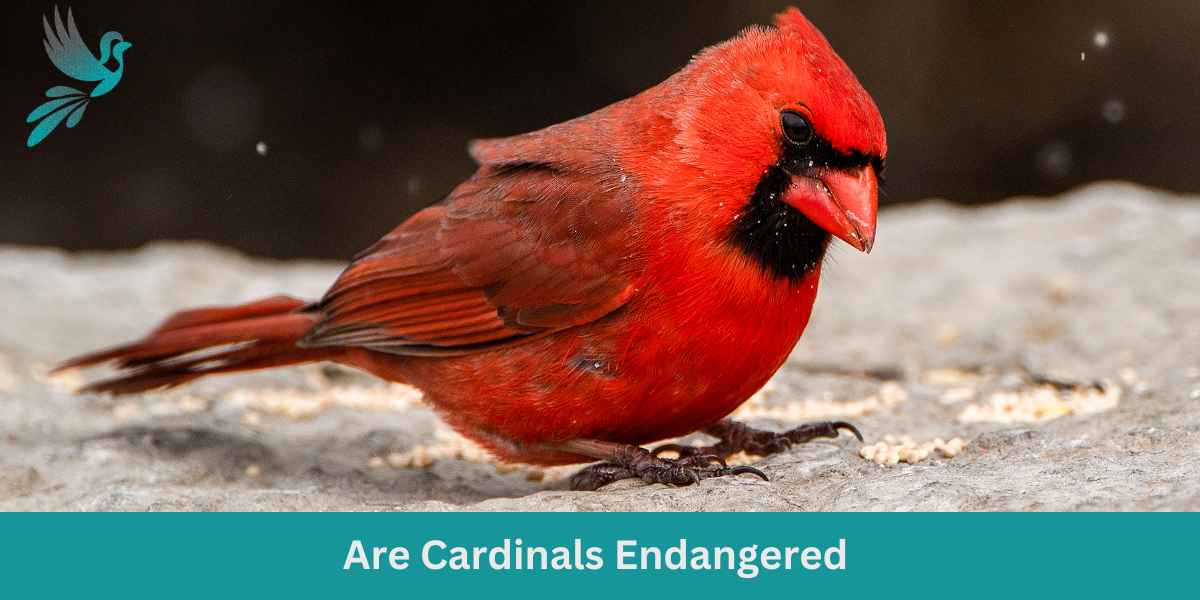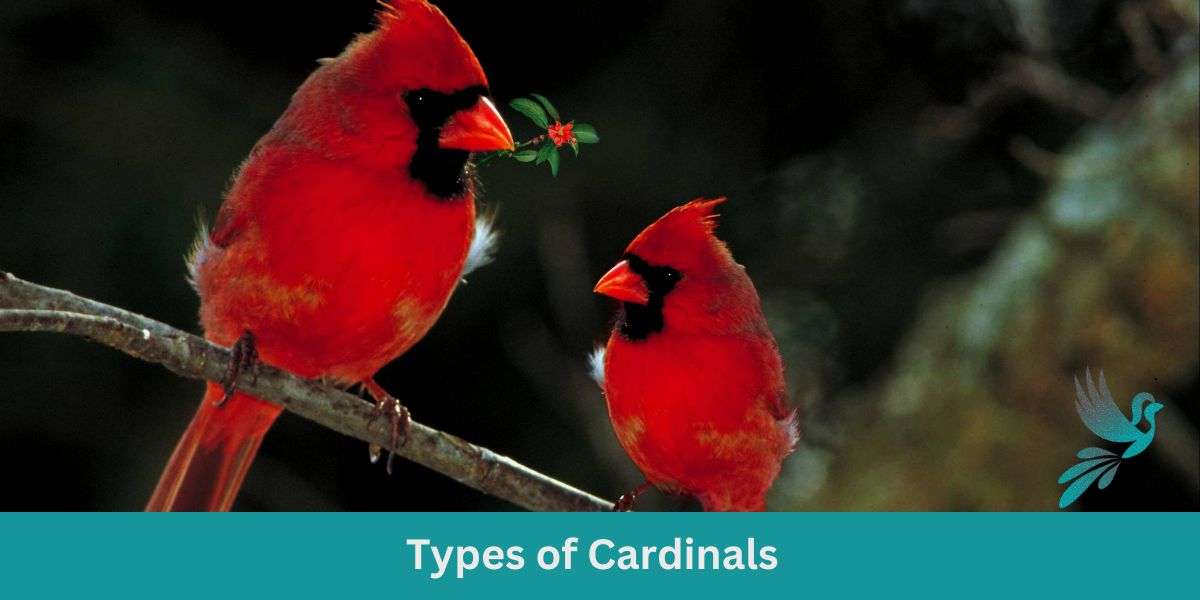
The cardinal family (Cardinalidae) is much bigger than most people realise. It contains over 50 species across the Americas - including grosbeaks, buntings, tanagers, and saltators alongside the iconic red Northern Cardinal.
The Three True Cardinals
| Species | Range | Key feature |
|---|---|---|
| Northern Cardinal (Cardinalis cardinalis) | Eastern US, Mexico, Central America | Bright red male, tan female, black face mask. State bird of 7 US states. |
| Pyrrhuloxia (Cardinalis sinuatus) | SW United States, Mexico | Grey body with red highlights, parrot-like curved bill. The “Desert Cardinal.” |
| Vermilion Cardinal (Cardinalis phoeniceus) | N Venezuela, NE Colombia | Dark red, similar to Northern Cardinal but darker. Tropical shrublands. |
These three are the only species in the genus Cardinalis - the actual cardinals. Everything else in the family is a grosbeak, bunting, tanager, or saltator.
North American Cardinalidae
| Species | Male colour | Where found |
|---|---|---|
| Black-headed Grosbeak | Orange breast, black head | Western US |
| Rose-breasted Grosbeak | White body, rose chest patch | Eastern US |
| Blue Grosbeak | Deep blue with russet wing bars | Southern US |
| Indigo Bunting | Bright electric blue | Eastern and central US |
| Painted Bunting | Blue head, green back, red belly | Southern US |
| Lazuli Bunting | Blue head, rust breast, white belly | Western US |
| Varied Bunting | Purple, blue, and crimson blend | S Texas, Mexico |
| Dickcissel | Meadowlark-like, yellow breast | Central US grasslands |
South American Cardinals
Several South American species carry the “cardinal” name but belong to a different genus (Paroaria).
| Species | Key feature | Range |
|---|---|---|
| Red-cowled Cardinal | Bright red hood, white underparts | Brazil, Argentina |
| Yellow-billed Cardinal | Red head, yellow bill, black back | Brazil, Paraguay, Bolivia |
| Red-capped Cardinal | Red head, white belly, grey wings | N South America |
| Masked Cardinal | Black face mask, red plumage | Trinidad, Colombia, Venezuela |
| Crimson-fronted Cardinal | White body, red head, crimson forehead | Brazil |
Grosbeaks
Grosbeaks are named for their heavy, seed-cracking bills. The family includes both New World species (Cardinalidae) and some Old World species in different families.
- Black-headed Grosbeak - Western counterpart of the Rose-breasted. Males have a striking orange chest and black head. The two species hybridise where their ranges overlap.
- Rose-breasted Grosbeak - The male’s rose-red chest patch against white is unmistakable. Females are streaked brown and easily overlooked.
- Blue Grosbeak - Deep blue with russet wing bars. Often confused with the Indigo Bunting but noticeably larger with a heavier bill.
- Evening Grosbeak - Bold yellow and black. Once common at winter feeders across northern US, now in decline.
Buntings
The Passerina buntings are among the most colourful birds in North America.
- Painted Bunting - Often called the most beautiful North American bird. Males look almost tropical with their blue, green, and red plumage.
- Indigo Bunting - Males are electric blue in breeding plumage. Like all blue birds, the colour is structural - crush the feather and it turns brown.
- Lazuli Bunting - The western equivalent of the Indigo. Blue head, rust breast, white belly.
The cardinal family contains over 50 species, but only three are actual cardinals. The rest - grosbeaks, buntings, tanagers, and saltators - share the same family but have their own distinct identities.
Tanagers in the Cardinal Family
Several North American tanagers were reclassified into Cardinalidae based on genetic evidence.
- Scarlet Tanager - Fiery red body, black wings. One of the most striking birds in eastern forests.
- Western Tanager - Yellow body, red head, black wings. The only regularly occurring tanager in the Pacific Northwest.
- Summer Tanager - The only entirely red bird in North America. No black wings, no crest - just solid rose-red.